


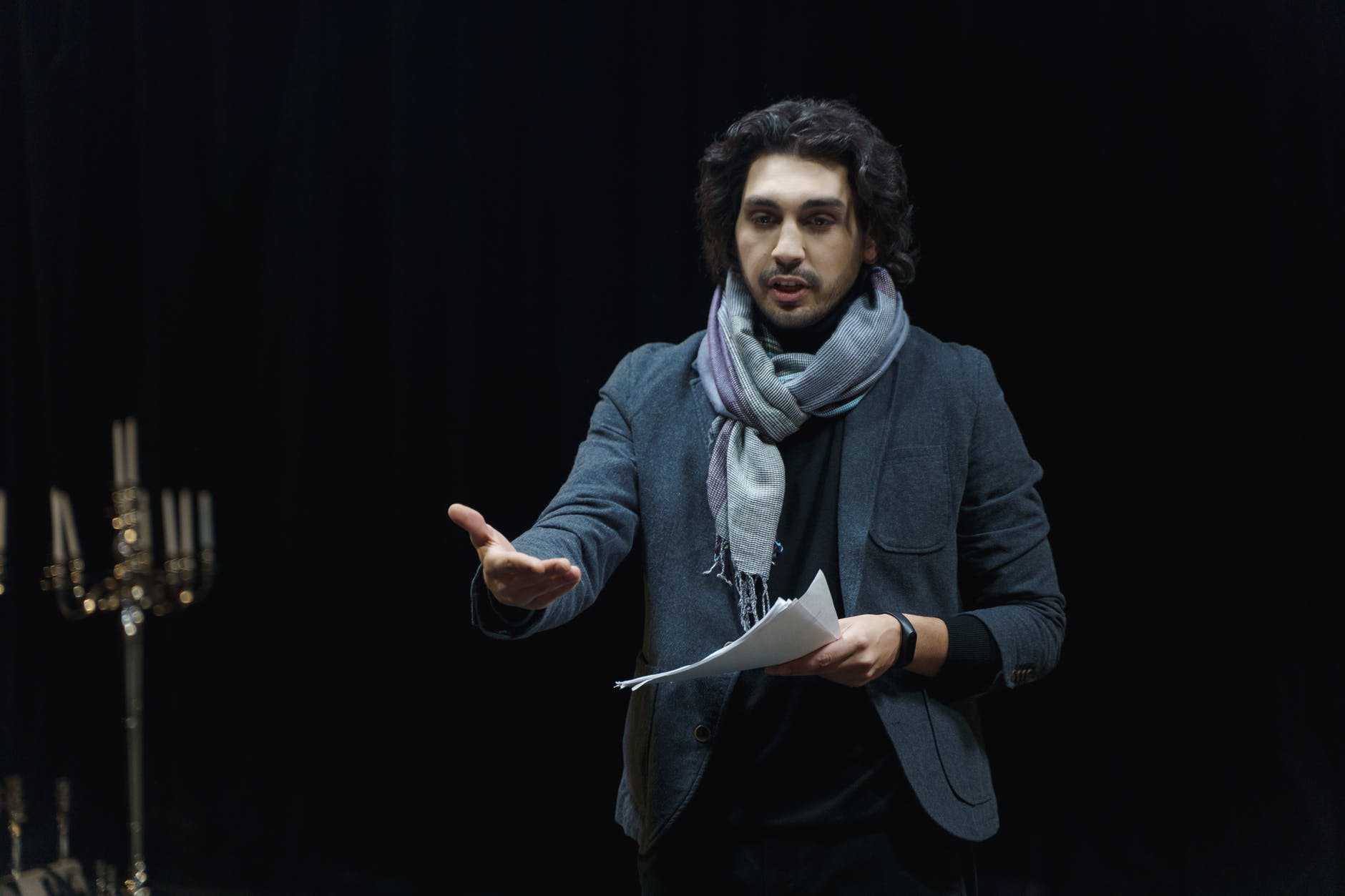
The Complete Guide to Acting Techniques
From Stanislavski to Meisner to Strasberg and more!
(By Carmichael Phillip)
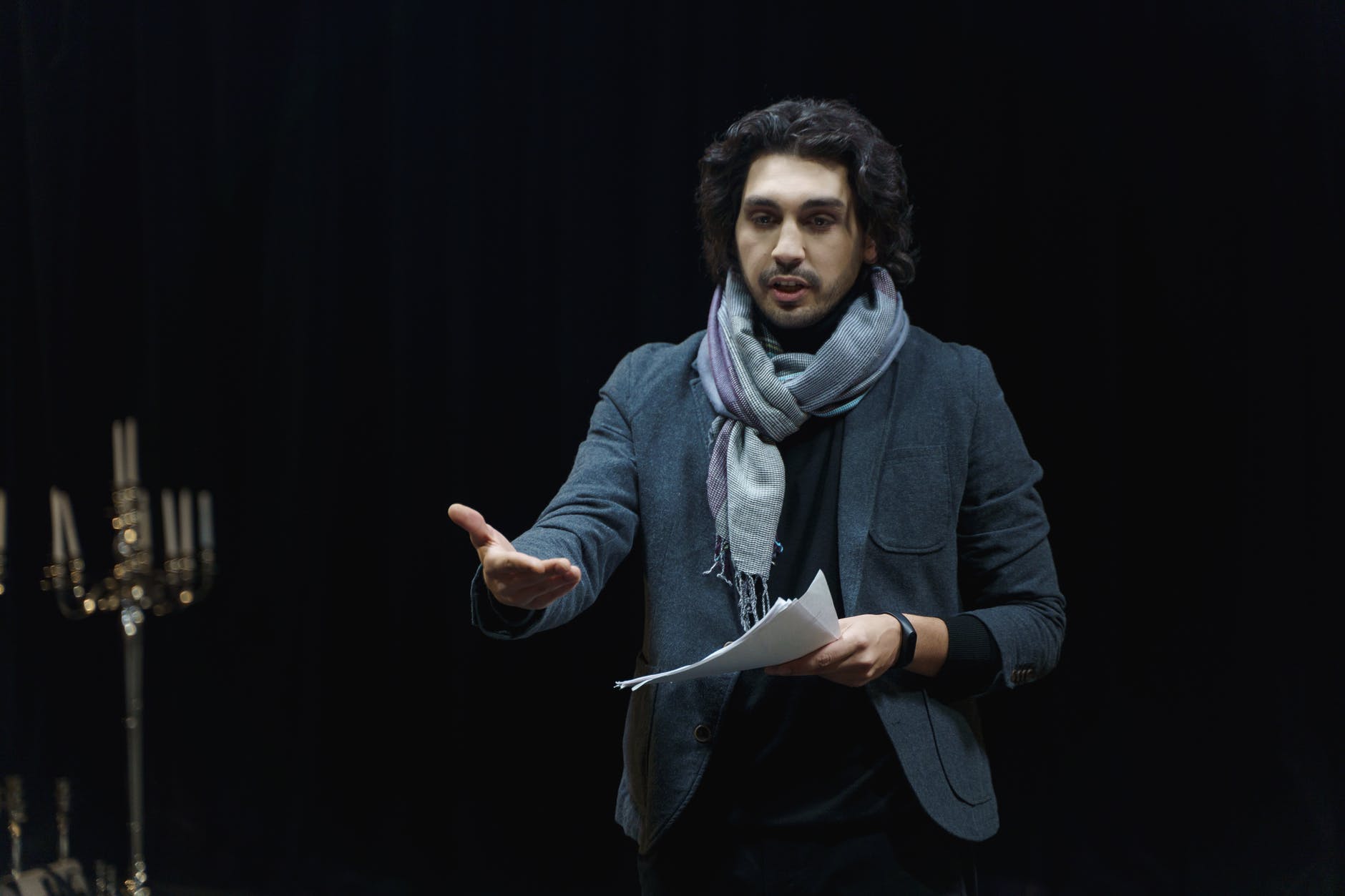
Summary
Acting techniques are structured methods actors use to create believable performances. From emotional memory to repetition exercises and physical action-based systems, each technique helps actors access truth, authenticity, and emotional connection. The best technique is not one single method — but the one that helps an actor consistently deliver honest performances.
Acting has evolved dramatically over the past century. While early performers relied heavily on theatrical presentation and exaggerated expression, modern acting focuses on realism and emotional truth. Today’s actors draw from multiple schools of thought developed by legendary teachers such as Konstantin Stanislavski, Lee Strasberg, Sanford Meisner, Stella Adler, and Uta Hagen.
Understanding acting techniques gives performers tools they can rely on during auditions, rehearsals, and professional work. This guide explores the most influential acting systems and how actors use them today.
Quick Facts About Acting Techniques
- Modern acting techniques began with Konstantin Stanislavski in the early 1900s.
- Many Hollywood actors combine multiple techniques.
- Method Acting is only one branch of modern performance training.
- Technique helps actors repeat strong performances consistently.
- No single method works for every actor.
The Stanislavski System: The Foundation of Modern Acting
Konstantin Stanislavski revolutionized acting by asking a simple question: “What would I do if I were in this situation?” His system emphasized psychological realism and truthful behavior under imaginary circumstances.
Actors analyze scripts using objectives, obstacles, and actions. Rather than pretending to feel emotions, performers pursue goals just as real people do. This approach became the foundation of nearly every modern acting technique.
Stanislavski encouraged actors to use imagination, emotional connection, and detailed character analysis to create believable performances.
Learn more about Stanislavski’s influence here:
Encyclopaedia Britannica: Konstantin Stanislavski
The Stanislavski System: The Foundation of Modern Acting
Konstantin Stanislavski revolutionized acting by introducing a system built on emotional truth, psychological realism, and deep character analysis. His teachings remain the foundation of modern acting training and continue to influence Method Acting, Meisner, Adler, and countless contemporary techniques. Explore these Acting Magazine articles to deepen your understanding of Stanislavski and his groundbreaking system:
What Are the 7 Stanislavski Techniques?
What Are Stanislavski’s Core Principles of Acting?
What Is the Magic If?
Who Created the Idea of the Magic If?
7 Basic Facts About Konstantin Stanislavski
What Is Konstantin Stanislavski Best Known For?
Did Stanislavski Say There Are No Small Roles?
“There Are No Small Parts, Only Small Actors” — Konstantin Stanislavski
Konstantin Stanislavski: “Live the Part”
Konstantin Stanislavski: “Do Not Run for the Sake of Running”
When You Play an Evil Man, Look to See Where He Is Good
Love the Art in Yourself, Not Yourself in the Art
What Was Stanislavski’s Most Famous Quote?
The Complete Guide to Acting Techniques (The 2026 Edition)
Method Acting and Lee Strasberg
Lee Strasberg expanded Stanislavski’s early emotional work into what became known as Method Acting. Actors trained to draw upon personal memories to generate authentic emotional responses.
This technique became famous through performers like Marlon Brando, Al Pacino, and Robert De Niro. Method actors often immerse themselves deeply into characters, sometimes remaining in character off-camera.
While powerful, Method Acting requires emotional discipline and balance to avoid burnout.
The Meisner Technique: Living Truthfully
Sanford Meisner believed acting should focus less on internal emotion and more on genuine interaction. His famous repetition exercise trains actors to respond instinctively to their scene partner.
Meisner actors learn to listen deeply, react honestly, and stay present in the moment. The philosophy centers on “living truthfully under imaginary circumstances.”
Many television actors favor Meisner training because it produces natural, spontaneous performances ideal for camera work.
Stella Adler: Imagination Over Memory
Unlike Strasberg, Stella Adler rejected emotional memory as the primary tool. She believed actors should rely on imagination and script analysis rather than personal trauma.
Adler encouraged actors to expand their world knowledge, study society, and develop strong creative instincts. Her approach remains highly respected in film and theater training programs.
Uta Hagen and Practical Acting
Uta Hagen developed exercises focused on substitution, realism, and everyday behavior. Actors analyze how characters eat, walk, think, and exist physically.
Her method helps actors ground performances in relatable human behavior rather than theatrical performance.
FAQ Section
What acting technique is best for beginners?
Stanislavski-based training is often recommended because it teaches fundamental storytelling principles.
Do professional actors use only one technique?
No. Most professionals blend techniques depending on the role.
Is Method Acting dangerous?
Not inherently, but actors must maintain emotional boundaries and self-care.
Related Links
What Are the 7 Stanislavski Techniques?
What Is the Meisner Technique?
How to Prepare for an Audition
The Complete Guide to Acting Techniques (Part 2)
Michael Chekhov Technique: Psychological Gesture
Michael Chekhov, a student of Stanislavski, developed a technique centered on imagination and physical expression. His concept of the psychological gesture encourages actors to use movement to unlock emotional states.
Rather than forcing emotion internally, actors perform a symbolic physical action that represents a character’s desire. This allows emotion to arise organically through the body.
Many fantasy and film actors favor Chekhov’s work because it helps create larger-than-life characters while maintaining emotional truth.
Practical Aesthetics: The Mamet Approach
Developed by playwright David Mamet and teacher William H. Macy, Practical Aesthetics strips acting down to clear, playable actions. Actors focus on what the character is doing rather than what they are feeling.
The method emphasizes script analysis and simple objectives, helping actors avoid emotional overthinking. This approach is widely used in film and television because it produces direct, grounded performances.
On-Camera Acting Techniques
Film acting requires technical awareness. Unlike theater, where performances must reach the back row, cameras capture subtle eye movements and micro-expressions.
Actors must understand:
- Eye-line control
- Continuity between takes
- Minimal physical movement
- Emotional consistency across multiple shots
Many actors combine Meisner listening with Hagen realism to maintain natural performances under technical constraints.
On-Camera Acting Techniques
On-camera acting requires a unique set of skills that differ from stage performance. From mastering eye lines and framing to delivering authentic performances for self-tapes and auditions, these Acting Magazine articles will help you sharpen your on-camera technique and feel confident in front of the lens.
- What is a Self-Tape Audition?
- How to Film an Acting Self-Tape
- The Ultimate Guide to Self-Tapes
- Mastering the Art of Self-Taping: A Guide for Actors
- The 5 Most Important Technical Aspects of a Self-Tape
- Do You Look at the Camera During a Self-Tape?
- Where Do You Look When Self-Taping?
- How Long Should You Spend on a Self-Tape?
- The Self-Tape Checklist
- ACTING TECHNIQUE: Remember Your ABCs (Always Be in Character)
Improvisation and Spontaneity
Improvisation training, popularized by institutions like Second City and Upright Citizens Brigade, teaches actors to trust instinct and respond truthfully without preparation.
Improvisation strengthens timing, listening, and creativity — skills essential for auditions and commercial work where adjustments happen quickly.
Improvisation and Spontaneity
Improvisation is one of the most powerful tools an actor can develop. By learning to think on your feet, stay present, and respond truthfully in the moment, actors build confidence, creativity, and authenticity in their performances. Explore these Acting Magazine articles to deepen your understanding of improv and spontaneous acting techniques.
What is Improvisation in Acting?
How to Do Improvisation Acting
Can Improv Make You a Better Actor?
What is Improvisational Theater?
What Is It Called When Actors Don’t Use a Script?
Building Your Personal Acting Technique
The most successful actors eventually design their own hybrid technique. This often includes:
- Stanislavski analysis for character objectives
- Meisner listening for authenticity
- Adler imagination work
- Chekhov physical exploration
- On-camera technical awareness
Actors should experiment with classes, teachers, and exercises to discover what produces consistent, repeatable results.
Carmichael Phillip is a managing editor of Acting Magazine. In addition to editing, Mr. Phillip is a writer, coordinator and creative director.
Related Links
What Are the 5 W’s of Acting?
What are Beats?
What are the 4 C’s of Acting?
Acting Technique | Play “Powerful” with Subtlety
What are the Given Circumstances?
What are Actions?
What are Inner Motives?
What is an Objective?
What is the Super-Objective?
What is the Unbroken Line?
The Complete Guide to Acting Techniques (The 2026 Edition)

Acting Magazine Newsletters
Never miss out on the best from Acting Magazine.