


What is the Morris Method of Acting?
Exploring a transformative approach to performance
(By Jim Webb)
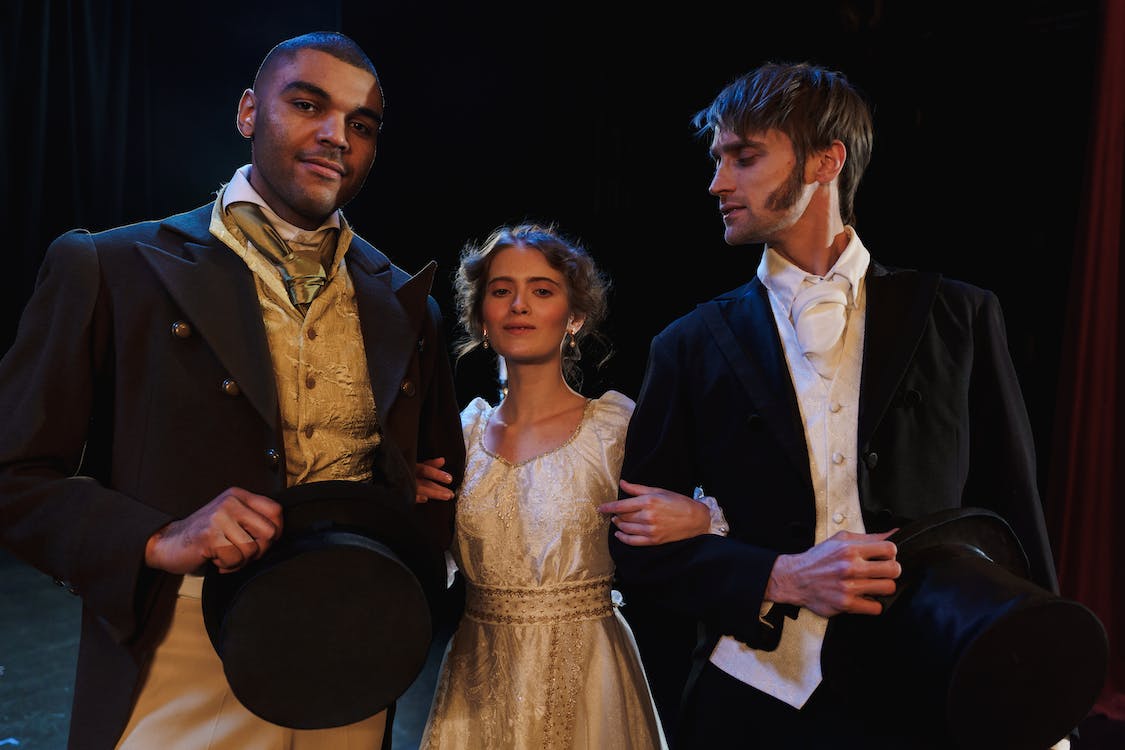 (Photo: Cottonbro | Pexels)
Introduction to the Morris Method
The Morris Method of acting represents a distinct and innovative approach to the craft of performance. Developed to emphasize naturalism, emotional truth, and the physical embodiment of character, this method blends traditional acting principles with contemporary psychological techniques. While not as widely known as the Stanislavski System or Meisner Technique, the Morris Method offers actors a fresh perspective on how to inhabit roles deeply and authentically.
At its core, the Morris Method encourages performers to connect their inner emotional world with external physicality, allowing them to access and express genuine feelings through deliberate, mindful movements and emotional triggers. This article explores the origins, principles, and practical applications of the Morris Method, with examples to illuminate its effectiveness on stage and screen.
Origins and Development
The Morris Method was created in the early 21st century by Thomas Morris, a contemporary acting coach and former actor who sought to develop a more integrative technique that addresses both psychological and physical aspects of performance. Dissatisfied with existing methodologies that sometimes prioritized either emotional recall or physical action in isolation, Morris set out to bridge this gap.
Drawing on influences from Stanislavski’s focus on emotional memory, Michael Chekhov’s emphasis on physical imagination, and body-centered practices such as Laban Movement Analysis, Morris synthesized a unique approach that trains actors to awaken emotional impulses through bodily awareness and vice versa. The method was further refined through workshops, collaborations with psychologists, and feedback from working actors in theater and film.
Core Principles of the Morris Method
The Morris Method rests on several foundational principles designed to create holistic, believable characters:
-
Mind-Body Integration: Actors learn to synchronize their emotional state with physical expressions, breaking down barriers between feeling and movement. The method uses exercises that cultivate this union, making performances more truthful and spontaneous.
-
Emotional Triggering through Physicality: Instead of relying solely on memory or imagination, the method teaches actors to find emotional stimuli through precise physical actions — like a gesture, posture, or breathing pattern — that evoke a specific inner state.
-
Situational Sensory Awareness: Actors develop heightened awareness of their sensory environment within a scene, using sight, sound, touch, and spatial relations as portals into emotional life. This sensory engagement helps ground the performance in the present moment.
-
Character as a Living Organism: The Morris Method encourages viewing characters as dynamic entities influenced by their surroundings, relationships, and internal conflicts. Actors explore how these forces physically and emotionally shape behavior.
Practical Techniques and Exercises
To operationalize these principles, the Morris Method employs a series of exercises and training practices:
-
Physical Emotion Mapping: Actors map emotions onto different body areas — for example, locating sadness in the chest or anxiety in the hands — and practice shifting these sensations through movement, helping internal feelings find external expression.
-
Micro-gestures: Training to isolate small physical cues, like a subtle tilt of the head or tension in a finger, that reveal underlying emotional currents. These micro-gestures bring nuance and complexity to performances.
-
Breath as Emotional Barometer: Breathing exercises attune actors to emotional shifts, teaching how breath patterns can signal or even induce feelings such as calm, fear, or excitement. Controlled breath work is fundamental in maintaining authenticity under pressure.
-
Environmental Interaction: Scenes are rehearsed with a focus on interacting authentically with set pieces, props, or imagined elements to foster sensory immersion, thereby enriching emotional realism.
Examples of the Morris Method in Practice
Several actors and productions have publicly credited the Morris Method for deepening their performances:
-
Sarah Jennings in “The Quiet Room” (2023): Jennings used the Morris Method to portray a woman struggling with PTSD. By employing physical emotion mapping, she localized her character’s anxiety in her shoulders and hands, using restrained movements that slowly evolved into more intense, expressive gestures as the character’s trauma surfaced. Critics praised her for the raw, embodied realism of the role.
-
David Clarke’s performance in the indie film “Beneath the Surface” (2021): Clarke highlighted how breath-focused exercises from the Morris Method helped him portray a man hiding a volatile temper beneath a calm exterior. By manipulating his breath during intense dialogue scenes, Clarke conveyed subtle shifts in emotional tension that resonated with audiences.
-
Theater Ensemble “New Dawn Players”: This group integrated Morris Method workshops into their rehearsal process for a production of Hamlet. The actors reported that situational sensory awareness exercises enhanced their connection to the environment and to one another on stage, enriching the play’s psychological depth.
Comparisons with Other Acting Methods
Understanding how the Morris Method fits into the wider landscape of acting techniques can clarify its unique contributions:
-
Unlike Stanislavski’s System, which focuses extensively on emotional memory, the Morris Method emphasizes generating emotions through physicality as much as through psychological recall.
-
Compared to Method Acting (Lee Strasberg), which often requires deep personal emotional excavation, the Morris Method offers alternatives by using body-centered triggers that can be less taxing emotionally but equally effective.
-
The Morris Method shares common ground with Michael Chekhov’s techniques by valuing imagination and physical expression but brings in a structured sensory awareness component not as emphasized in Chekhov’s work.
-
Unlike the Meisner Technique, which is largely about spontaneous reaction to a scene partner, the Morris Method incorporates a broader focus on mind-body synchronization and environmental interaction.
Benefits and Challenges
Actors who adopt the Morris Method often report several benefits:
-
Greater control over emotional access without overwhelming vulnerability.
-
Enhanced ability to maintain character authenticity across long or intense performances.
-
Increased physical awareness that supports vocal projection, presence, and stamina.
-
A versatile toolbox that can complement other acting techniques.
However, challenges include:
-
The necessity of disciplined physical training, which may be demanding for actors unfamiliar with movement-based work.
-
Potential difficulty for actors who are more psychologically oriented and less comfortable with body-centric practices.
-
Finding qualified instructors, as the Morris Method is relatively new and not yet widespread.
How to Learn the Morris Method
Actors interested in the Morris Method can start by:
-
Attending workshops and classes offered by certified Morris Method trainers.
-
Practicing the method’s foundational exercises daily, focusing on breath control, micro-gestures, and sensory awareness.
-
Integrating the Morris approach with their existing techniques to explore new dimensions in character development.
-
Viewing recorded performances by actors known for applying the method to analyze its impact.
Several online platforms now offer courses and tutorials, making it more accessible to a global acting community.
Conclusion
The Morris Method of acting is a promising, evolving technique that pushes performers to unite mind, body, and environment in their craft. By fostering emotional authenticity through physical engagement and sensory awareness, it equips actors to deliver nuanced, powerful performances that resonate with audiences on a deep level.
Though still growing in popularity, its unique blend of psychological and physical training offers a valuable addition to the landscape of acting methods, encouraging a holistic approach to the art of inhabiting a character. Whether for stage or screen, the Morris Method invites actors to discover new ways of bringing truth to their work — one breath, gesture, and sensation at a time.
Explore More: Michael Chekhov & Acting Techniques
What Is Chekhov’s Acting Technique?
20 Facts About Michael Chekhov
Which Acting Technique Is Best?
Who Are the Greatest Acting Teachers of All Time?
7 Books Every Actor Should Read
What Is the Morris Method of Acting?
The Complete Guide to Acting Techniques (The 2026 Edition)

Acting Magazine Newsletters
Never miss out on the best from Acting Magazine.