


What is Chekhov’s Acting Technique?
Unveiling the innovative psychological approach of Michael Chekhov
(By Jim Webb)
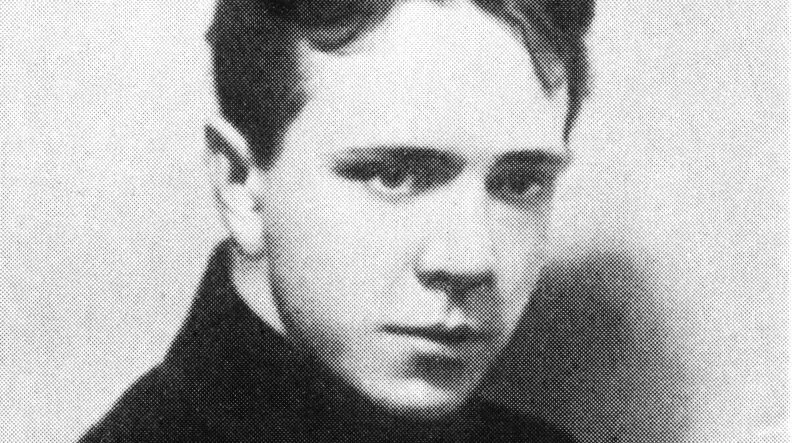
(Michael Chekhov)
Introduction to Michael Chekhov and His Acting Philosophy
Michael Chekhov (1891–1955), nephew of the famed playwright Anton Chekhov, is recognized as one of the most influential acting teachers of the 20th century. His technique diverges from the realism-focused Stanislavski system, instead emphasizing the power of imagination, psychological gestures, and the actor’s creative freedom.
Unlike many traditional methods that rely heavily on personal emotional recall, Chekhov developed a system that trains actors to access emotions through physical and psychological tools, aiming for a heightened, expressive, and poetic form of performance. His approach encourages actors to transform themselves and inhabit roles with a unique blend of physicality and imagination.
In this article, we will explore the principles of the Chekhov technique, practical examples of its exercises, and how it has shaped modern acting practices.
Core Concepts of the Chekhov Technique
The Chekhov Technique is built on several foundational concepts: psychological gesture, atmosphere, imaginary body, and radiating energy. These tools enable actors to tap into the subconscious and bypass conventional emotional triggers, allowing for a more spontaneous and liberated performance.
Psychological Gesture is perhaps the most famous element of Chekhov’s work. It involves finding a simple, physical movement or posture that embodies the character’s internal psychological state. By exaggerating and performing this gesture, actors evoke authentic emotions naturally tied to that physical expression.
Chekhov also emphasized the importance of imaginary body — the actor envisions their physical form changing to fit the character’s emotional and psychological reality. This can include imagining different weight, size, or movement qualities, which influence the actor’s behavior and presence on stage.
Finally, atmosphere and radiating energy are techniques where the actor projects feelings or moods outward to affect the space and the audience, creating an immersive and communicative experience.
Psychological Gesture: Unlocking Inner Truth Through Movement
The psychological gesture is a physical manifestation of a character’s dominant inner drive or emotional need. Chekhov believed that by performing a bold, clear gesture related to the character’s objectives, the actor could internalize the character’s psyche more deeply.
For example, if a character’s dominant trait is pride, an actor might develop a sweeping arm gesture that expresses openness and grandeur. By embodying this gesture repeatedly, the actor unlocks feelings and nuances associated with pride without forced emotional memory.
A famous example is Chekhov’s portrayal of Hamlet. He used a simple gesture — placing his hand near his heart as if holding an invisible burden — to express Hamlet’s internal conflict and melancholic nature. This physical cue helped him access the role’s complexity and emotional depth.
Today, many actors use psychological gestures in rehearsal to quickly access their characters’ emotional centers, making performances more vivid and spontaneous.
Imaginary Body: Transforming Through Physical Imagination
Chekhov encouraged actors to change their “imaginary body” as a way to deepen their understanding of a character. This means imagining a different physical presence that affects posture, movement, and energy flow.
For example, an actor playing a timid character might imagine their body shrinking or becoming lighter, moving cautiously and with minimal impact on the environment. Conversely, a villainous character might be imagined as physically large, heavy, or angular, affecting how the actor inhabits the role physically and mentally.
This technique helps actors break free from their habitual physicality and discover new ways of inhabiting the character, which can reveal unexpected emotional and psychological layers.
In practice, actors might spend rehearsal time exploring different imaginary bodies to discover which best captures the character’s essence. This exploration can also enhance voice and speech, as body and breath are closely connected.
Atmosphere and Radiating Energy: Connecting with the Space and Audience
Chekhov taught that actors should not only inhabit their characters internally but also influence the surrounding atmosphere. Radiating energy is the actor’s ability to project emotion or mood outward, creating a palpable environment that affects the audience and fellow performers.
For example, an actor playing a character filled with menace might radiate a cold, sharp energy that physically changes the dynamics in the room. This projection helps the audience feel the character’s presence on a visceral level, beyond spoken words.
This technique turns acting into a form of energetic communication, where the actor’s internal state and external presence merge into a powerful performance tool.
Actors trained in this method often describe feeling a flow of energy that moves between them and the audience, generating a live, electric atmosphere.
Training Exercises in the Chekhov Technique
Michael Chekhov developed various exercises designed to develop imagination, body awareness, and emotional connection. One well-known exercise is the Shadowing Exercise, where actors use shadow puppetry or mirror work to explore psychological gestures and imaginary body concepts.
Another popular exercise is the Spine of the Character, where the actor identifies the central driving force behind a character and expresses it through a physical gesture or posture. The actor practices exaggerating this gesture and then allowing it to become more subtle, internalized, and natural.
Additionally, Chekhov’s Energy Circles exercise helps actors feel and project their radiating energy. Actors imagine spheres of energy emanating from their bodies and experiment with controlling the size, intensity, and direction of these energy fields.
These exercises promote awareness of how body, mind, and imagination work together, building a rich foundation for performance.
Michael Chekhov’s Influence on Modern Acting
The Chekhov Technique has influenced many notable actors and teachers, including Clint Eastwood, Johnny Depp, and Marilyn Monroe, who studied under Chekhov-trained coaches. Its emphasis on imagination and physicality offers an alternative to method acting’s emotional recall, broadening the spectrum of actor training.
Contemporary acting schools often incorporate Chekhov’s ideas alongside other techniques, valuing the actor’s creative freedom and use of symbolic movement. Directors also appreciate how the technique can add layers of meaning and energy to performances.
For instance, the renowned actor and director Peter Brook has praised Chekhov’s work for its poetic approach and ability to liberate the actor’s creative potential.
Chekhov’s legacy endures in theatre, film, and television, particularly in productions that value physical expressiveness and psychological complexity.
Examples from Theatre and Film
One vivid example of Chekhov’s technique in action is the 1996 film The Crucible, starring Daniel Day-Lewis. Day-Lewis reportedly used psychological gestures to inhabit the intense emotional states of his character, John Proctor, lending the performance a physical intensity and emotional truth that transcended traditional methods.
In theatre, many physical theatre companies and experimental groups employ Chekhov’s principles, using imaginative body work and energetic presence to create striking performances without relying solely on text.
Actors trained in Chekhov’s technique often report that it deepens their understanding of character motivation and provides practical tools for embodying complex psychological states in a vivid, expressive manner.
Quotes from Michael Chekhov and His Students
Michael Chekhov famously said, “The body never lies,” emphasizing the actor’s physicality as the key to truthful performance. He also advised actors to “use the imagination and the feelings will follow,” highlighting the primacy of creative visualization over forced emotional recall.
Marilyn Monroe, who studied with Chekhov’s student Lee Strasberg, credited the technique for helping her connect with her characters beyond superficial mannerisms. She said, “Michael Chekhov taught me how to dream in a way that made my acting more alive.”
Actor Clint Eastwood, also influenced by Chekhov, reflected, “The psychological gesture opened doors for me to discover who my characters really are beneath the surface.”
Challenges and Considerations When Using the Chekhov Technique
While the Chekhov Technique offers exciting possibilities, it requires disciplined imagination and body awareness, which can be challenging for actors used to more naturalistic or text-based approaches.
Some actors may initially find the exaggeration of gestures or the use of imagination unfamiliar or uncomfortable. However, with consistent practice and guidance, these tools become intuitive and enhance the actor’s expressive range.
Moreover, directors and ensembles need to be open to the poetic and symbolic nature of the technique, which may sometimes clash with strict realism or traditional staging.
Nevertheless, many find that integrating Chekhov’s methods leads to richer, more dynamic performances that resonate deeply with audiences.
Conclusion: The Enduring Power of Chekhov’s Acting Technique
Michael Chekhov’s acting technique remains a vital and inspiring approach that encourages actors to engage their imagination, body, and energy fully. By using psychological gestures, exploring the imaginary body, and projecting radiating energy, actors unlock new dimensions of creativity and emotional truth.
This technique invites performers to transform themselves physically and psychologically, offering a poetic and deeply expressive pathway to character embodiment. Its influence on theatre and film continues to shape acting training and performance styles worldwide.
For actors seeking a method that combines physicality, imagination, and psychological insight, Chekhov’s technique offers a powerful and transformative toolkit.
Explore More: Michael Chekhov & Acting Techniques
What Is Chekhov’s Acting Technique?
20 Facts About Michael Chekhov
Which Acting Technique Is Best?
Who Are the Greatest Acting Teachers of All Time?
7 Books Every Actor Should Read
What Is the Morris Method of Acting?
The Complete Guide to Acting Techniques (The 2026 Edition)

Acting Magazine Newsletters
Never miss out on the best from Acting Magazine.