


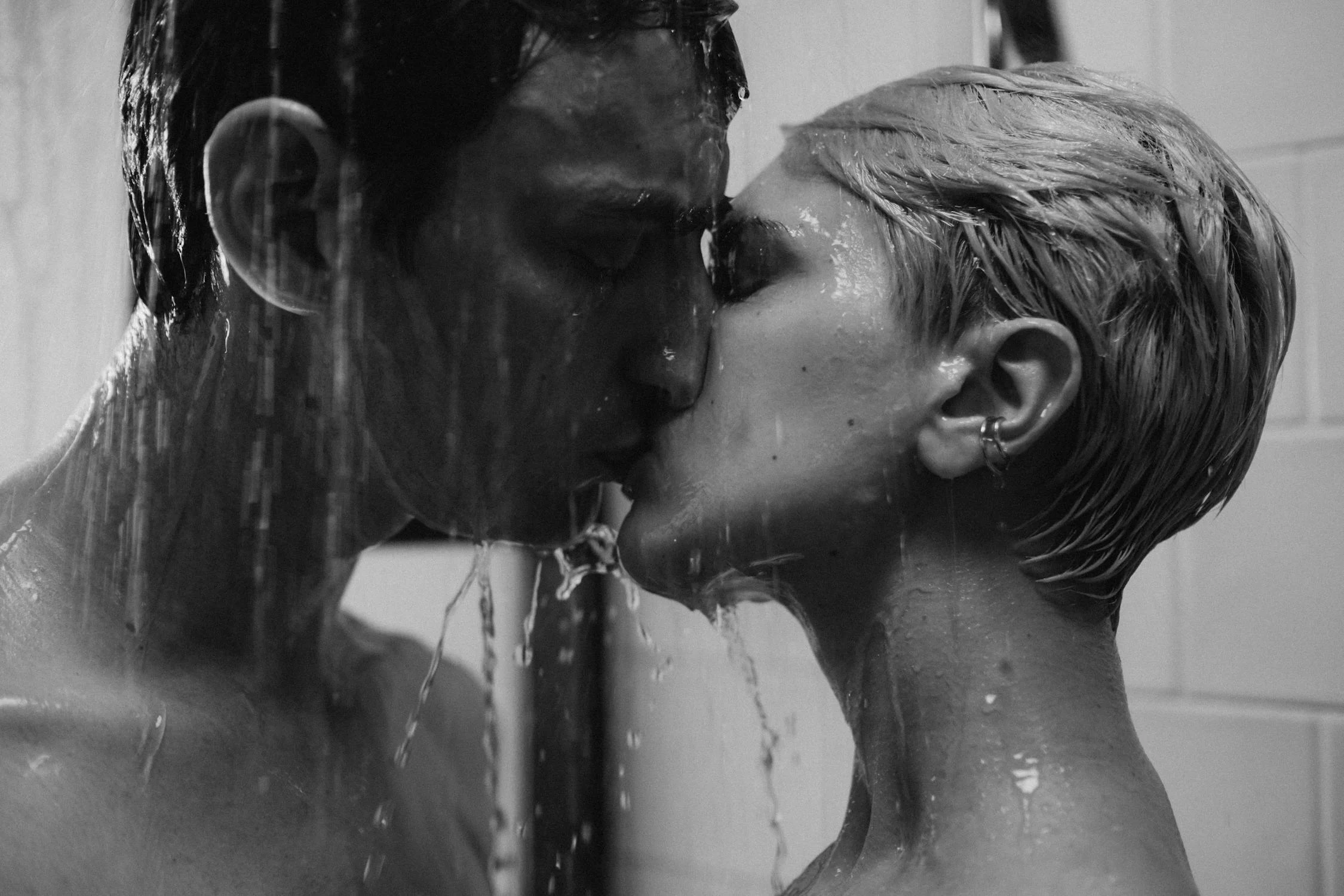
 (Photo: Cottonbro Studio | Pexels)
Defining a Romantic Scene: More Than Just a Kiss
A romantic scene in film, television, or theater is a carefully crafted moment that explores the emotional, physical, or psychological connection between two characters. While many assume a romantic scene must involve a kiss or physical intimacy, its essence lies in emotional vulnerability, mutual tension, and shared longing.
At its core, a romantic scene is about connection. It can be subtle—a quiet gaze held a little too long—or explosive, filled with passion and conflict. The best romantic scenes make audiences feel like witnesses to something sacred.
As filmmaker Richard Linklater once said:
“Romance isn’t about grand gestures. It’s in the silences, the pauses, the glances. It’s about being seen.”
Classic Examples of Iconic Romantic Scenes
Romantic cinema has offered countless unforgettable moments. Each scene resonates in its own unique way, depending on the characters, the stakes, and the storytelling.
1. Casablanca (1942) – Rick (Humphrey Bogart) and Ilsa (Ingrid Bergman) share a goodbye scene at the airport, where love and sacrifice converge.
“We’ll always have Paris.”
This isn’t a scene of physical passion but of emotional devastation—and it has lingered in cinematic history for decades.
2. Pride & Prejudice (2005) – Mr. Darcy’s confession to Elizabeth in the rain is filled with restraint and yearning.
“You must know… surely, you must know it was all for you.”
3. Titanic (1997) – Jack and Rose at the bow of the ship, arms wide open, set to sweeping music.
“I’m flying, Jack!”
These scenes are often imitated because they combine visual beauty with emotional payoff, pulling the audience into the love story.
The Ingredients of a Memorable Romantic Scene
So what makes a romantic scene work? It’s more than dialogue or physical closeness. Several ingredients come into play:
1. Chemistry Between Actors – Without believable chemistry, even the best-written scenes can fall flat. Directors often cast for chemistry, as seen with Ryan Gosling and Rachel McAdams in The Notebook.
2. Emotional Tension – This tension often stems from obstacles: societal expectations, timing, misunderstandings, or personal fears. A good romantic scene builds that tension until it becomes almost unbearable.
3. Stakes – Why does this moment matter? What could be gained—or lost—if these characters confess their feelings?
4. Cinematography and Music – The visual framing and soundtrack can elevate the scene. Consider the use of soft lighting, close-ups, or swelling orchestration to heighten emotional impact.
Director Nancy Meyers said:
“Romantic tension isn’t just about two people falling in love—it’s about the possibility of it, and everything that could go wrong.”
Romantic Scenes in Modern Television
Television offers a long-form storytelling approach, allowing romantic scenes to build slowly over time. Some of the most emotionally rewarding romantic moments on screen are found in series like:
1. The Office (U.S.) – Jim’s proposal to Pam in the rain at a gas station is beautifully understated.
“I didn’t know how I’d feel seeing you again. But now, I just… I want to spend every minute with you.”
2. Bridgerton (Netflix) – With its period setting and passionate pacing, Bridgerton redefined romantic storytelling for modern audiences, blending forbidden love with intimate desire.
3. Outlander – This series is full of deeply emotional and often intense romantic scenes, especially between Claire and Jamie.
The serialized nature of TV allows viewers to invest in characters’ emotional journeys, making their romantic moments even more powerful.
The Role of Dialogue: Saying More with Less
Great romantic dialogue doesn’t always mean saying “I love you.” In fact, the best lines often imply love without ever stating it directly.
Consider Before Sunrise (1995), where two strangers fall in love over a single night. Their conversations feel spontaneous yet profound.
“Isn’t everything we do in life a way to be loved a little more?”
Romantic scenes also benefit from subtext. What’s left unsaid often speaks louder than the words.
In Lost in Translation (2003), Bob (Bill Murray) whispers something inaudible to Charlotte (Scarlett Johansson). We never hear the words—but we feel their weight. This ambiguity makes the moment unforgettable.
Physical Intimacy vs. Emotional Connection
While physical closeness often features in romantic scenes, it’s the emotional intimacy that lingers. Many films rely too heavily on sex scenes, confusing lust with love. A truly romantic scene doesn’t need to be explicit to be powerful.
Example: In Her (2013), the relationship between a man and an AI voice becomes one of the most tender romances in modern cinema—without a single kiss.
“The past is just a story we tell ourselves.” — Her
This proves that connection doesn’t have to be physical to be real or moving.
When Romance Meets Comedy: The Romantic Comedy Scene
Romantic comedies have their own set of scene conventions: meet-cutes, grand gestures, awkward confessions. Yet, when done well, these moments are just as emotionally resonant.
1. Notting Hill (1999) – Julia Roberts’ character says to Hugh Grant:
“I’m also just a girl, standing in front of a boy, asking him to love her.”
2. When Harry Met Sally (1989) – Harry’s speech to Sally at the New Year’s Eve party captures the magic of comedic romance:
“I came here tonight because when you realize you want to spend the rest of your life with somebody, you want the rest of your life to start as soon as possible.”
These moments blend humor with heart, making them both entertaining and heartfelt.
Cross-Cultural and LGBTQ+ Romantic Scenes
In recent years, representation in romantic storytelling has grown more inclusive, bringing depth and authenticity to previously underrepresented love stories.
1. Call Me By Your Name (2017) – The scene by the fireplace, where Elio and his father share a deeply honest conversation, elevates the romance into a story about acceptance and vulnerability.
“We rip out so much of ourselves to be cured of things faster than we should… but to feel nothing so as not to feel anything—what a waste.”
2. Portrait of a Lady on Fire (2019) – A stunning French film where romance is built through glances, brushstrokes, and silence. The final scene, a long shot of a woman listening to music and weeping, says everything without a word.
Representation in romantic scenes doesn’t just reflect reality—it enriches the emotional landscape of cinema as a whole.
Romantic Scenes Without a Happy Ending
Not all romantic scenes end in bliss. Some of the most poignant moments are those filled with loss or resignation.
1. La La Land (2016) – The dream sequence that imagines what could have been between Mia and Sebastian is heartbreakingly beautiful.
“Here’s to the fools who dream.”
2. Brokeback Mountain (2005) – Ennis clutching a shirt belonging to Jack, years after his death, remains one of the most emotionally powerful moments in cinema.
“I wish I knew how to quit you.”
These scenes remind us that love, even when fleeting or doomed, can be transformative.
Final Thoughts: The Romance That Stays With Us
A romantic scene is more than a scripted moment. It’s a mirror into the complexities of love—hope, pain, laughter, fear, and intimacy. When done right, it becomes etched into memory, replayed in the hearts of audiences long after the film ends.
Whether it’s a whispered confession, a longing gaze, or a brave goodbye, romantic scenes offer us a glimpse of the emotional vulnerability we all crave. As Denzel Washington once said (in a different context, but fitting nonetheless):
“Fall forward. Every failed experiment is one step closer to success. You’ve got to take risks.”
And romance, in storytelling and in life, is the ultimate risk—with the highest reward.
Related Links
What Do Actors Wear During Love Scenes?
What do actors do in love scenes?
Why do actors fall in love on set?
Do actors hook up on set?
What is a Modesty Pouch for Actors?
How Much Are Intimacy Coordinators Paid?
Are Intimacy Coordinators Required for Kissing Scenes?
What Do Intimacy Coordinators Do?
What Is an Intimacy Coordinator?
Do actors actually show their private parts in movies?
Do Actors Rehearse Intimate Scenes?
Do Actors Really Kiss When Acting?
Do Actors Have to Take STD Tests?
What do actors do during kissing scenes?
What is a Romantic Scene?
Intimacy in Film (The Complete Guide 2026)

Acting Magazine Newsletters
Never miss out on the best from Acting Magazine.