


What is the Vanity Patch for Actors?
The small covering actors may wear during nude or intimate scenes
(By Carmichael Phillip)
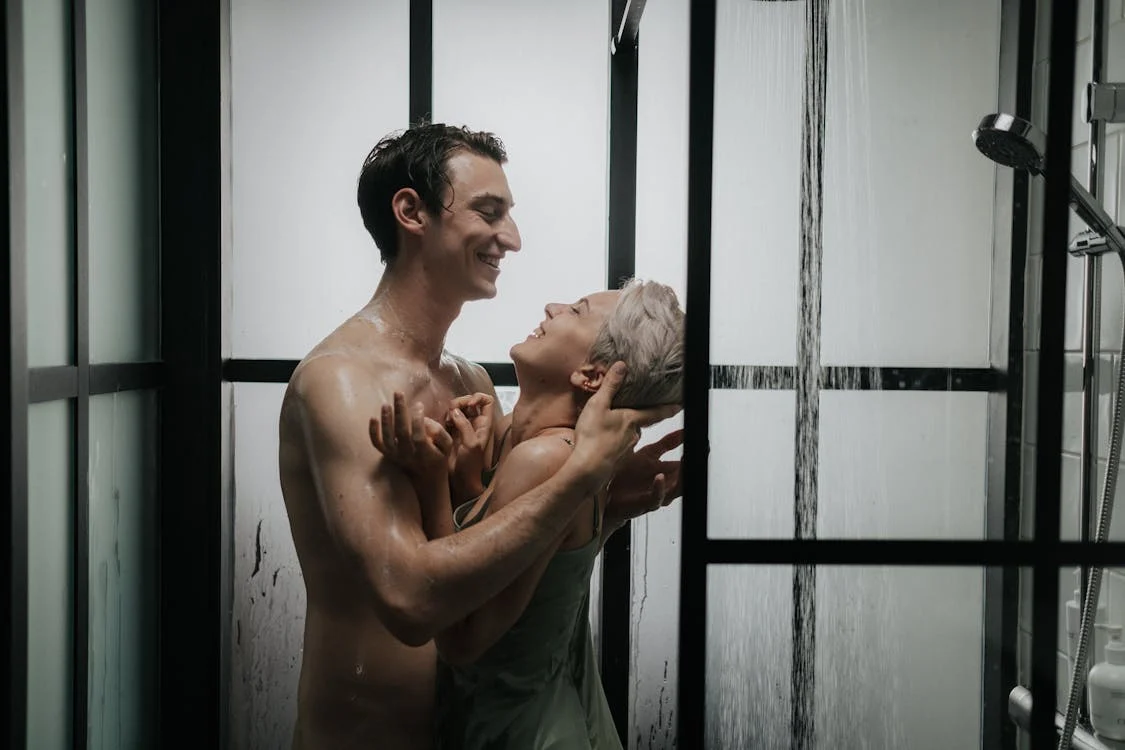
Quick Answer: In acting, the term “vanity patch” is sometimes used to describe a small modesty covering worn over an actor’s genitals during nude or intimate scenes. The more common industry terms are modesty patch or modesty garment. These coverings help protect an actor’s privacy, maintain physical boundaries between performers, and allow filmmakers to create the illusion of nudity without actually exposing the actor.
What Is a Vanity Patch?
A vanity patch is a small piece of material worn by an actor to cover intimate areas while filming a scene involving nudity or simulated sex. In most professional discussions, it would be more accurately described as a modesty patch or part of an actor’s modesty garments.
The patch may be made from fabric, adhesive material or specialized skin-safe coverings designed to stay securely in place while remaining largely invisible to the camera.
For female performers, productions may use strapless thongs sometimes called shibues, nipple covers, adhesive bras or other customized coverings. Male performers may use similar adhesive coverings, pouches or strapless garments sometimes called hibues. :contentReference[oaicite:1]{index=1}
The goal is simple: the scene can appear nude while the performer remains covered where necessary.
Is “Vanity Patch” the Official Term?
Not usually.
“Modesty patch” and “modesty garment” are the more widely used industry terms. Backstage describes modesty garments as coverings used during nudity and intimate scenes to protect performers and prevent unwanted skin-to-skin contact. :contentReference[oaicite:2]{index=2}
The phrase “vanity patch” has nevertheless been used by actors. One prominent example came from Shameless star Emmy Rossum, who used the phrase when discussing an especially difficult nude scene from the series.
Because of that usage, audiences searching for “vanity patch” are generally referring to the same basic type of protective covering that intimacy professionals would more commonly call a modesty patch.
Why Do Actors Wear Them?
Vanity or modesty patches are primarily about privacy, boundaries and safety.
A movie or television scene may require the audience to believe that two actors are completely naked even though the performers themselves have agreed to specific limits about what can actually be exposed.
A modesty garment allows those boundaries to be maintained.
It can also help prevent direct genital contact when actors are performing simulated sexual activity. Modern productions can combine these garments with carefully choreographed movement, strategic camera angles, sheets, wardrobe pieces and editing to create a convincing intimate scene.
Quick Facts
- A vanity patch is generally another name for a modesty patch.
- It covers intimate areas during nude or simulated-sex scenes.
- It may be attached using skin-safe adhesive.
- Different designs are available for different bodies and levels of coverage.
- Camera angles and choreography can make the actor appear completely nude.
- Modern intimacy coordinators often help determine appropriate barriers and coverings.
- The actor’s agreed-upon boundaries should determine how much exposure occurs.
What Does a Vanity Patch Look Like?
There is no single design.
Some are extremely small adhesive coverings made to match an actor’s skin tone. Others resemble strapless underwear. Productions can also use pouches, briefs, shorts, nipple covers, bandeau tops and other protective garments depending on what will actually appear on camera.
Backstage notes that specialized strapless thongs can be used so that an actor appears nude while the genitals remain covered. Adhesives and additional barriers may also be incorporated to ensure that the garment remains secure throughout filming.
Costume departments and intimacy coordinators may customize the garment based on the scene, actor and camera setup.
Emmy Rossum and the “Vanity Patch”
The term received renewed attention because of comments made by Emmy Rossum about filming Shameless.
Rossum described filming a Season 4 prison strip-search sequence in which the camera setup required her to be completely exposed. In discussing the experience, she said she did not have the type of “vanity patch” she had used during other nude scenes. She described that sequence as particularly difficult and said she experienced significant distress during filming.
Her comments help illustrate why modesty garments are about considerably more than appearance. They can give performers an additional physical and psychological boundary during extremely vulnerable scenes.
Do Actors Actually Get Naked?
Sometimes they do, but often what viewers perceive as complete nudity is carefully constructed.
An actor might be wearing a small modesty garment that is hidden by the camera angle. A bedsheet might cover precisely the necessary area. The actors may be positioned so that their bodies appear to touch when there is actually a physical barrier between them.
Post-production can further shape what the audience ultimately sees.
This means that a scene that looks extremely revealing on screen may actually have been carefully choreographed around very specific limits.
What Are Shibues and Hibues?
A shibue is a strapless adhesive modesty garment generally designed to cover intimate areas without creating visible underwear lines.
A similar garment designed for male anatomy is sometimes referred to as a hibue.
They can be particularly useful when the camera needs to photograph an actor from angles where ordinary underwear would obviously be visible.
Backstage identifies shibues and hibues as popular forms of modesty protection used to give the appearance of nudity without actually exposing an actor’s genitals.
What Does an Intimacy Coordinator Do?
On many contemporary productions, an intimacy coordinator helps actors and filmmakers safely plan scenes involving nudity, simulated sex or other intimate physical contact.
The coordinator can help establish the performers’ boundaries, choreograph physical contact and determine what kinds of garments or barriers should be used.
Actors may agree to one form of nudity while declining another. For example, a performer might agree to implied toplessness but not visible nudity, or agree to nudity without simulated sexual activity. Camera placement and wardrobe can then be designed around those boundaries.
This makes intimate scenes more like choreographed stunt sequences: the performers know what will happen, where contact will occur and what the camera will see.
Does Wearing a Vanity Patch Make the Scene Less Real?
No.
The audience only needs to believe the circumstances of the scene.
Just as actors do not actually need to be injured during a fight scene, they do not necessarily need to be completely naked during an intimate scene. The filmmaking process creates the illusion.
In fact, when performers feel protected and understand the choreography, they may be better able to concentrate on the emotional requirements of the scene instead of worrying about accidental exposure.
Acting Breakdown
For actors, nude and intimate scenes require an unusual combination of technical precision and emotional vulnerability.
The performer still has to pursue the character’s objective, listen to the scene partner and behave naturally while simultaneously remembering camera positions, physical boundaries and choreography.
A modesty patch is therefore not really about “vanity.” It is a practical production tool that can allow the actor to concentrate more fully on the performance while maintaining agreed-upon personal boundaries.
Frequently Asked Questions
What is a vanity patch for an actor?
It is a small covering used to protect an actor’s intimate areas during nude or simulated-sex scenes. “Modesty patch” is generally the more common term.
Do actors wear patches during nude scenes?
Frequently. Depending on the scene, actors may wear adhesive modesty patches, strapless thongs, pouches, nipple covers or other protective garments.
Can you see a vanity patch on camera?
Usually the production designs the shot specifically so the covering cannot be seen. Camera angles, lighting, blocking and editing help conceal it.
What is a modesty patch?
A modesty patch is a small garment or covering used to conceal intimate areas while allowing an actor to appear nude on camera.
What do male actors wear during nude scenes?
Options can include pouches, briefs, shorts, cups or adhesive strapless garments sometimes called hibues.
What do female actors wear during nude scenes?
Options may include shibues, strapless underwear, adhesive bras, nipple covers, bandeau tops and other customized modesty garments.
Are actors actually touching during sex scenes?
Scenes involving simulated sex are choreographed, and productions can use modesty garments and physical barriers to prevent unwanted intimate contact.
Final Thoughts
The term “vanity patch” can be confusing because it sounds like a costume decoration or something related to an actor’s image. In the context in which actors such as Emmy Rossum have used the phrase, however, it refers to what the industry more commonly calls a modesty patch: a small protective covering worn during nude or intimate scenes.
These garments are part of the behind-the-scenes techniques filmmakers use to create convincing nudity while protecting performers’ privacy and physical boundaries.
What viewers see may look spontaneous and completely exposed. In reality, successful intimate scenes can involve careful choreography, wardrobe engineering, camera placement and extensive communication between the actors and production team.
Related Links
How Do Modesty Garments Work? – This comprehensive guide explains how modesty garments, pouches, adhesive coverings and protective barriers are used during intimate and nude scenes.
What Is a Modesty Garment in Acting? – This article explains how actors use specialized coverings to maintain privacy, physical boundaries and professionalism during revealing scenes.
What Is a Modesty Pouch for Actors? – This guide examines the protective pouches actors may wear during nudity or simulated-sex scenes and how they remain hidden from the camera.
How to Put On a Modesty Garment – This article explains how specialized modesty coverings are fitted and secured for intimate scenes while protecting an actor’s comfort and privacy.
What Do Actresses Wear to Cover Their Private Parts? – This page covers adhesive patches, skin-tone underwear, modesty garments and other wardrobe solutions used during revealing scenes.
What Do Actors Wear During Love Scenes? – This guide explains modesty pouches, nipple covers, adhesive garments, nude-colored underwear and other protective wardrobe used during intimate filming.
Do Actresses Wear Thongs? – This article examines the specially fitted and pre-approved undergarments actresses may use when filming intimate or revealing scenes.
How Do Actors Hide Their Bulges? – This article explores modesty garments, body doubles, wardrobe techniques and other methods productions use to manage revealing scenes.
Intimacy in Film (The Complete Guide 2026) – This comprehensive hub explains how actors perform kissing, romantic and simulated-sex scenes while maintaining consent, boundaries and safety.
What Is an Intimacy Coordinator? – This guide explains how intimacy coordinators choreograph sensitive scenes, establish boundaries and advocate for performers during filming.
Are Intimacy Coordinators Required for Kissing Scenes? – This article examines when productions use intimacy coordinators for kissing scenes and how they help manage consent and choreography.
How Much Do Intimacy Coordinators Get Paid? – This article discusses the compensation and professional responsibilities of the specialists who oversee intimate scenes on film and television sets.
Do Actors Rehearse Intimate Scenes? – This page explains how kisses, touches and simulated intimacy are often rehearsed and choreographed in advance rather than improvised.
Do Actors Get Carried Away in Intimate Scenes? – This article explains how consent, choreography, modesty garments and professional boundaries keep intimate performances controlled.
What Do Actors Do in Love Scenes? – This guide examines rehearsals, closed sets, boundaries, physical barriers and modesty clothing used during romantic scenes.
Do Actors Hook Up on Set? – This article distinguishes genuine off-screen relationships from the highly choreographed intimacy actors perform professionally on camera.
Do Some Actors Actually Do It on Screen? – This article explains why simulated intimacy is the professional norm and how modesty patches, barriers, camera angles and editing create realistic scenes.
Do Actors Actually Show Their Private Parts in Movies? – This guide examines real versus simulated nudity and the use of modesty garments, body doubles, prosthetics and digital effects.
Do Actors Really Show Their Body in Movies? – This article explains how body doubles, modesty garments, strategic framing and visual effects can create the appearance of nudity.
Can an Actor Refuse a Scene? – This guide discusses an actor’s ability to set boundaries around nudity, sexual content, physical contact and other sensitive material.
Do Actors Really Kiss When Acting? – This article explains how real on-screen kisses are handled professionally through communication, boundaries and choreography.
Do Actors Really Kiss in Kissing Scenes? – This guide examines when actors genuinely kiss and when filmmakers use alternate techniques to respect personal boundaries.
Do Actors Really Kiss While Filming? – This article explains how actors perform on-screen kisses using blocking, rehearsal, camera positioning and intimacy choreography.
How Do Actors Kiss Without Kissing? – This guide covers camera angles, blocking, editing and other techniques that can create the illusion of a kiss without direct contact.
When Actors Kiss, Are They Really Kissing? – This article explores on-screen kissing, personal boundaries and the technical methods used to make romantic scenes believable.
What Do Actors Do During Kissing Scenes? – This page explains how actors and intimacy coordinators communicate boundaries and choreograph kisses before cameras roll.
What Do Actors Do Before a Kissing Scene? – This guide covers conversations about consent, comfort levels, hygiene, choreography and expectations before filming a kiss.

Acting Magazine Newsletters
Never miss out on the best from Acting Magazine.