


What is a play with only one actor called?
Exploring the art of the one-person show and its impact on theater and performance
(By Carmichael Phillip)
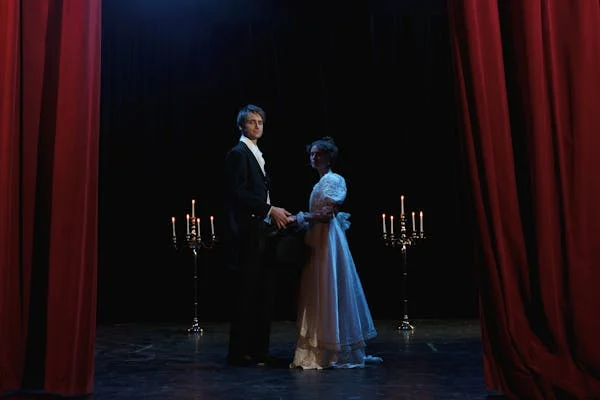
(Photo: Cottonbro Studio | Pexels)
Defining the Solo Performance: What Is a One-Person Play?
A play with only one actor is typically called a monodrama or solo performance. In theatrical terms, this form is a unique, intimate mode of storytelling that allows a single performer to carry an entire narrative. It may involve the actor portraying one character throughout, or switching between multiple personas using voice, physicality, and minimal props.
Monodramas can be fictional, autobiographical, or documentary-style. Regardless of structure, they rely heavily on the performer’s charisma, vocal dynamics, and stage presence to engage audiences for the full duration.
The term “monodrama” originated in the 18th century and was used to describe a dramatic piece with only one character. Today, the broader term “one-person show” is often used in both theatrical and stand-up comedy contexts.
A Brief History of One-Person Shows
Though modern solo performances are often associated with contemporary theater, the roots of monodrama go back centuries. Ancient Greek theater included long monologues, and Roman orators like Cicero blurred the lines between rhetoric and performance. During the Renaissance, actors such as Shakespeare’s performers used soliloquies as central narrative devices.
In the 19th century, the form gained popularity as traveling artists began to perform dramatic recitations. One of the most famous was Charles Dickens, who toured with solo readings of his own novels, captivating audiences with his vivid character portrayals.
Later, 20th-century artists such as Ruth Draper, known for her “character sketches,” and Hal Holbrook, famed for his portrayal of Mark Twain, pushed the boundaries of the form. These pioneers inspired generations of actors to use the stage as a personal platform.
Examples of Iconic One-Person Plays
There are many celebrated examples of solo plays that have captivated audiences worldwide. These performances range from introspective journeys to powerful political commentaries.
One of the most famous examples is “A Bronx Tale”, written and performed by Chazz Palminteri. The show recounts his youth in the Bronx, blending humor and pathos in a stunning demonstration of narrative control.
Another standout is “Thom Pain (based on nothing)” by Will Eno, a darkly poetic piece performed by a single actor who confronts existential themes with both sarcasm and sincerity.
Anna Deavere Smith’s “Fires in the Mirror” is a groundbreaking example of documentary theater, where Smith portrays dozens of real people affected by the Crown Heights riots. She combines journalism and performance into a compelling monologue tapestry.
Mike Birbiglia’s “Sleepwalk with Me” is another unique one-man show that blends stand-up comedy and memoir, exploring his sleep disorder and its impact on his life.
These examples highlight how the solo play can be both deeply personal and universally resonant.
Why Performers Choose the Solo Format
A one-person show offers creative freedom and personal expression that ensemble pieces may not. Many performers choose this format to tell a story that’s uniquely their own, without compromising on interpretation or direction.
As actress and writer Phoebe Waller-Bridge noted in an interview about her solo show Fleabag:
“When you’re alone on stage, it’s terrifying—but it’s also the most empowering feeling in the world. You’re entirely responsible for what happens.”
This format also allows for flexibility in production. With fewer actors and minimal set requirements, solo plays are easier to tour and more adaptable to unconventional venues like cafes, libraries, or online streaming platforms.
Moreover, the form allows actors to explore multiple characters and perspectives, creating a more immersive narrative experience than traditional monologue or stand-up.
Challenges of a One-Person Play
While rewarding, solo performances are extremely demanding. The performer must carry the entire emotional and narrative weight, maintaining energy and audience engagement for the full duration—often 60 to 90 minutes or more.
There’s no one to share the spotlight or rescue a faltering moment. Memory, stamina, and timing become critical. The lack of interaction with fellow performers also means the actor must self-generate dramatic tension.
Critics and directors alike often note that one-person shows can become too introspective or static if not well-written and dynamically performed. Movement, light changes, sound, and pacing are essential tools to maintain theatricality.
As actor John Leguizamo, who has written and starred in several one-man shows, put it:
“You’re exposed. There’s nowhere to hide. But that’s what makes it so raw and beautiful.”
Famous Actors and Their Solo Shows
Many acclaimed actors have taken on the challenge of the one-person show to explore deeper artistic territory or personal stories.
Lily Tomlin’s “The Search for Signs of Intelligent Life in the Universe” (written by Jane Wagner) is a prime example. Tomlin plays a multitude of characters, shifting from comedic to poignant in seconds.
Billy Crystal’s “700 Sundays” tells the story of his childhood and relationship with his father, blending humor, tragedy, and heartwarming anecdotes.
Daniel Kitson, a British comedian and playwright, has gained cult status for his one-man storytelling shows, which are filled with philosophical wit and literary elegance.
And of course, Whoopi Goldberg’s 1984 Broadway debut in a one-woman show introduced the world to her immense talent, eventually launching her film and TV career.
These artists have used solo performance not just as a theatrical experiment, but as a signature expression of voice and vision.
Monodrama in Contemporary Theater and Film
The solo performance format has found new relevance in digital and minimalist theater. With the rise of streaming and online performance during the COVID-19 pandemic, many creators turned to monodrama as a way to produce compelling content without large casts or crews.
Streaming platforms, podcasts, and audiobooks now regularly feature dramatized monologues or narrative performances delivered by a single voice. This intimate form of storytelling has become popular in both fictional and nonfictional content.
Examples like Bo Burnham’s “Inside”, though technically a filmed special, exhibit many elements of monodrama: a single performer, confined space, evolving emotional arcs, and artistic experimentation.
Similarly, stage-to-screen adaptations like “Fleabag”, filmed from its stage run, show how solo performances can translate powerfully across media.
The Power of the Individual Voice
Ultimately, a one-person play is more than just a theatrical form—it’s a statement of confidence, vulnerability, and artistic risk. The intimacy between performer and audience in such shows fosters deep emotional connections and lingering impact.
When crafted well, a solo show offers a singular experience—a direct channel between artist and audience, unfiltered by ensemble dynamics or elaborate staging. Whether it’s a story of personal loss, political awakening, or absurd comedy, the solo performer becomes both the storyteller and the story itself.
As playwright and solo performer Spalding Gray once said:
“A monologue is not just about telling your story—it’s about finding something that resonates universally.”
The One-Person Play as Theater’s Purest Form
So, what is a play with only one actor called? It’s a monodrama, a solo show, a one-person performance—but beyond labels, it is theater at its most distilled. It is a stage where one voice becomes many, one story becomes universal, and one performer becomes unforgettable.
From Charles Dickens to Lily Tomlin, from A Bronx Tale to Fires in the Mirror, these performances exemplify the power of singular storytelling. They challenge both artist and audience to engage deeply, reflect honestly, and connect intimately.
As the theater continues to evolve, the solo performance remains a timeless testament to the power of the individual human voice.
Related Topics
What Is a Play? – Learn how plays are structured for live performance and how actors bring a playwright’s characters, dialogue and dramatic action to life on stage.
What Is Theater? – Explore the essential elements of theater, including actors, scripts, directors, stages, audiences and live performance.
Theatre Acting vs. Film Acting – Discover how performing live on stage differs from acting for the camera in terms of voice, movement, subtlety and audience connection.
What Is a Monologue? – Learn how a single actor can deliver an extended speech to reveal a character’s thoughts, emotions and motivations within a play.
What Is a Monologue? – This guide explores dramatic, comedic and Shakespearean monologues and explains how actors use them in plays and auditions.
What Are Monologues in Acting? – Explore the different types of monologues actors perform on stage and how solo speeches can develop character and advance a theatrical story.
What Are Some Examples of Monologues? – Discover famous theatrical monologues and soliloquies that demonstrate how a single performer can command an audience.
Can a Monologue Be Talking to Someone? – Learn why a monologue can still involve another character even though one actor dominates the speech.
What’s a Good Monologue? – Explore the character voice, conflict, emotional depth, objectives and subtext that make a theatrical monologue effective.
Choosing a Monologue – Learn how actors can select theatrical material that best showcases their individual strengths and performance range.
What Are the 10 Best Audition Monologues? – Explore powerful monologues from theater and film that actors can use to demonstrate dramatic range in auditions.
Should You Memorize Monologues for Auditions? – Learn why memorization can give stage actors greater freedom to focus on character, movement and emotional connection.
Can a Demo Reel Be a Monologue? – Explore whether a solo monologue performance can effectively showcase an actor’s theatrical skill in a professional demo reel.
How Can a Beginner Practice Acting? – Discover how beginning actors can use plays, scenes and monologues to develop character, emotional range and delivery.
What Is an Audition in Theatre? – Learn how stage auditions work and why actors are often asked to perform monologues, scenes or songs for theater casting teams.
What Is an Audition? – Explore monologues, cold readings, scenes, callbacks and other formats actors encounter when auditioning for plays and other productions.
What Is the Definition of a Playwright? – Learn how playwrights create characters, dialogue and stories specifically designed to be performed by actors on stage.
What Is a Playwright? – Explore the playwright’s role in developing scripts, characters, stage directions and dramatic structures for theatrical performance.
What Does a Line Mean in a Play? – Learn how lines, dialogue, monologues, soliloquies and asides function within theatrical scripts.
What Is It Called When an Actor Addresses the Audience? – Explore breaking the fourth wall, soliloquies, asides and other ways stage actors speak directly to theater audiences.
What Is the Audience Called in Theatre? – Learn about spectators and the essential relationship between live audiences and actors performing on stage.
What Special Terminology Is Used in Acting? – Explore theatrical terms such as cues, marks, table reads and soliloquies that actors encounter while rehearsing and performing plays.
What Is an Actor? – Learn about stage acting, film acting, voice acting and the different performance skills actors use across theatrical mediums.
What Is the Stage Actor Contract? – Explore the agreements governing stage actors’ salaries, rehearsal schedules, performances and working conditions in professional theater.
What Is the Salary of a Stage Actor? – Learn how Broadway, regional theater, touring productions and union status affect what professional stage actors can earn.
How Much Do Equity Actors Get Paid? – Explore the salaries and benefits available to professional theater performers who belong to Actors’ Equity Association.
What Is the Equity Minimum for Theatre? – Learn about minimum pay standards established for professional stage actors working under Actors’ Equity contracts.
What Is the Minimum Salary for Actors’ Equity Performers? – Discover how union agreements establish minimum compensation for actors appearing in professional theatrical productions.
How Much Do Non-Equity Actors Make? – Compare pay for non-union stage performers with compensation available to actors working under Equity contracts.
Is It Worth Joining Actors’ Equity? – Explore the benefits and limitations of joining the principal American union representing professional stage actors.
Am I Eligible for Actors’ Equity? – Learn how theater performers can qualify for membership in Actors’ Equity Association and pursue professional stage careers.
Can Anyone Join Actors’ Equity? – Explore the requirements for joining the union that represents professional actors and stage managers in American theater.
What Are the Equity Rules for Actors? – Learn about pay, rehearsals, performances and working conditions governing professional union actors in theater.
Do Equity Actors Get Paid for Rehearsals? – Discover how professional stage performers are compensated for rehearsal time before a play opens to audiences.
What Does EMC Stand for in Acting? – Learn about the Equity Membership Candidate program and its connection to emerging actors pursuing careers in professional theater.
How Much Does an Average Broadway Actor Make? – Explore Broadway salaries and the financial realities faced by actors performing professionally on the New York stage.
What Are the Odds of Getting on Broadway? – Discover how competitive Broadway casting can be for actors hoping to perform in major plays and musicals.
How to Get Cast on Broadway – Learn about auditions, monologues, songs, training and representation involved in pursuing Broadway stage roles.
Is It Too Late to Become a Broadway Actor? – Explore why performers of different ages can still pursue roles in Broadway plays and musicals.
How Many Hours Do Broadway Actors Work? – Learn about rehearsals, performances, warmups and the demanding schedules maintained by professional theater actors.
How Do Broadway Actors Do 8 Shows a Week? – Discover how professional performers maintain their voices, bodies and stamina through an intensive weekly theater schedule.
How Long Do Actors Usually Stay on Broadway? – Explore how contracts, show longevity and the physical demands of live performance affect an actor’s time in a Broadway production.
Do Broadway Actors Get Days Off? – Learn how Broadway performers manage days off while maintaining an eight-performance weekly theater schedule.
What Benefits Do Broadway Actors Get? – Explore health coverage, pension contributions and other benefits available to many professional Broadway actors.
Where Do Broadway Actors Live? – Discover where professional theater performers often live while working near Broadway’s theaters, auditions and rehearsal spaces.

Acting Magazine Newsletters
Never miss out on the best from Acting Magazine.