


Do some actors actually do it on screen?
An inside look at real versus simulated sex in the movie industry.
(By Carmichael Phillip)
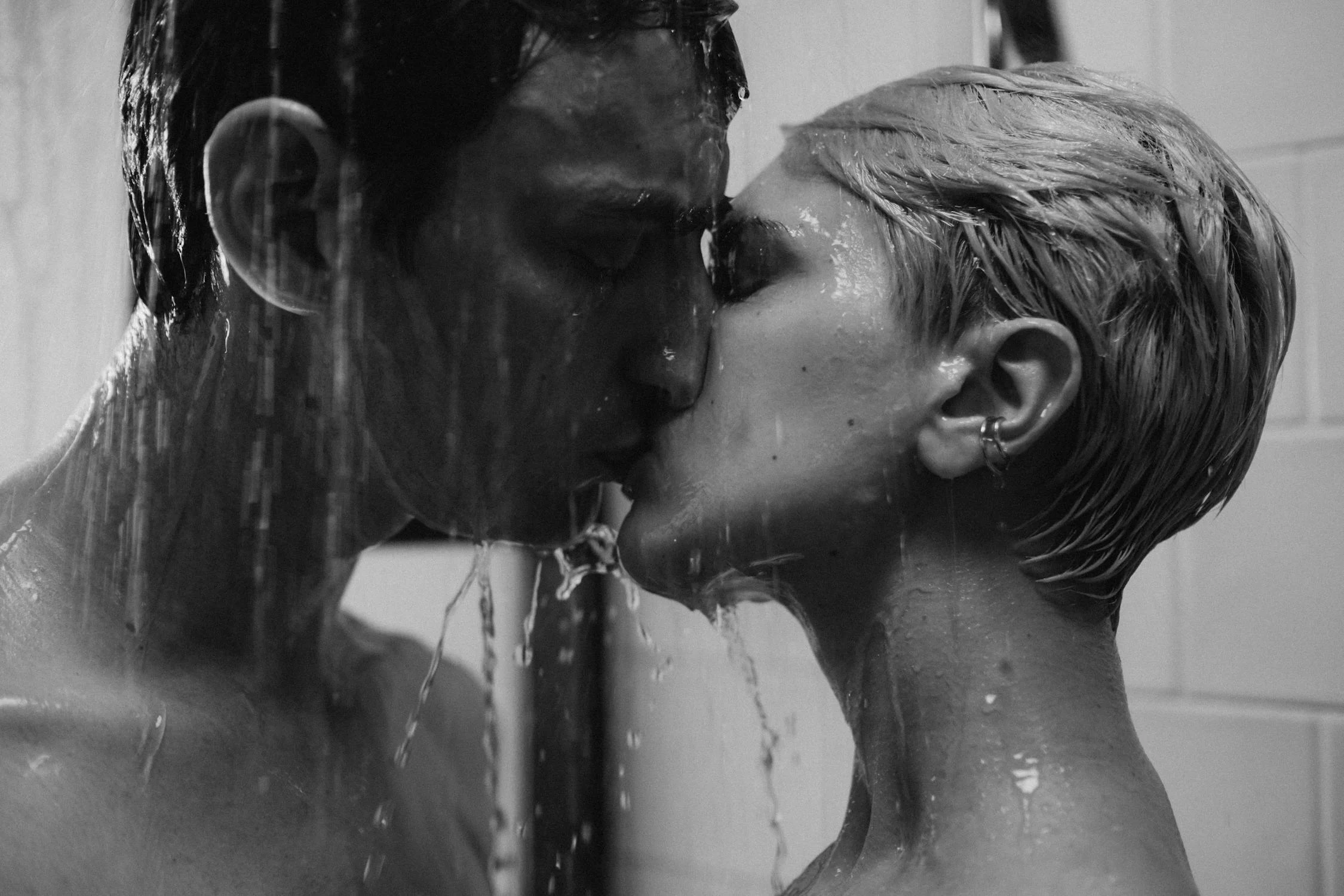 (Photo: Cottonbro Studio | Pexels)
Introduction: Do Movie Sex Scenes Ever Get Real?
Hollywood and international cinema have long pushed boundaries when it comes to on-screen intimacy. Whether it’s a steamy romance, an erotic thriller, or a daring independent art film, audiences often walk away wondering:
Were the actors really doing it?
Traditionally, the answer in mainstream film has been no—movie sex is almost always choreographed, simulated, and performed using layers of protection, modesty garments, and camera illusions. However, the full truth is more complicated.
While Hollywood productions typically simulate sex, some independent films and adult-themed art films have included unsimulated sex acts on screen. These cases are rare, controversial, and come with extensive legal and ethical considerations.
To understand why and when such scenes happen, we must explore:
Industry rules regarding explicit content
The difference between simulated and unsimulated sex
Use of body doubles and prosthetics
Examples of films that really crossed the line
How intimacy coordinators shape modern production
What motivates actors to say yes—or no
Let’s take a look behind the camera at how real (or unreal) movie sex scenes truly are.
Simulated Sex Is the Industry Standard
In professional acting—especially in Hollywood—sex scenes are staged with the same precision as fight sequences or dance numbers. Nearly all of what viewers see is planned choreographically, with no actual sexual contact taking place.
Techniques may include:
Actors wearing modesty patches
Nude-colored underwear that cameras cannot see
Silicone barriers
Strategic camera placement
Lighting and angles designed to hide the truth
Clever editing to imply more than is shown
A director may shoot:
A close-up of one actor’s face
Another of a body part
A shot of sheets moving
A cutaway of hands, hair, or sweat
When edited together, the illusion becomes convincing—even if the actors never physically touched in a sexual way.
Hollywood does not just simulate sex for modesty. Simulated scenes:
Keep productions legally compliant
Protect actors from exploitation
Maintain union standards
Avoid crossing into adult-only content
Preserve a rating below NC-17
But despite this norm, some films have gone further…
What Counts as “Unsimulated Sex” in Movies?
The term unsimulated sex refers to any movie scene where the actors are:
Actually engaging in sexual activity,
In a film intended for mainstream release,
Not classified as adult entertainment.
This may include:
Real intercourse
Real oral sex
Genital stimulation
Visible sexual penetration
This is extremely rare in commercial film because:
It may trigger strict legal and censorship complications
It can shift a film from artistic drama into pornography
Actors must give explicit legal consent
Distribution and marketing opportunities shrink dramatically
Despite this, a small number of films—mostly European art films, underground cinema, or experimental projects—have featured real sex.
Mainstream Actors Who Have Done Real Sex On Screen
A handful of well-known films shocked audiences by including real sexual encounters. Some famous examples include:
1. 9 Songs (2004)
Michael Winterbottom’s film starred Kieran O’Brien and Margo Stilley, who really performed several sexual acts on camera. The movie became one of the most sexually explicit films ever released theatrically.
2. The Brown Bunny (2003)
Actress Chloë Sevigny engaged in an unsimulated oral sex scene with director Vincent Gallo. The scene generated massive controversy and debate about artistic integrity versus exploitation.
3. Shortbus (2006)
Directed by John Cameron Mitchell, the film famously used real sex scenes performed by the cast as part of a narrative focusing on authentic human intimacy.
4. In the Realm of the Senses (1976)
A Japanese-French film still considered one of the most daring erotic dramas ever made, featuring real intercourse.
5. Love (2015)
Directed by Gaspar Noé, this 3D film starred actors who engaged in real sexual activity, filmed in graphic close-ups.
These projects are usually:
Low-budget
Independent
Created for art-house or festival audiences
Released without the expectation of mainstream commercial appeal
They also require extremely strict legal documentation to ensure that all participants are consenting adults.
Why Would Actors Choose to Do It for Real?
The reasons vary, but common motivations include:
Artistic authenticity.
Some directors and actors feel simulated sex breaks the realism of a film focused heavily on intimacy.
Creative experimentation.
Independent cinema often exists to push boundaries mainstream films cannot risk.
Role commitment.
Actors may feel the character requires emotional or physical vulnerability.
Trust in the filmmaker.
Long-time collaborators may agree to take on scenes that require deep professional trust.
However, critics argue such decisions:
Can blur artistic lines with exploitation
Risk pressuring young or inexperienced performers
May set dangerous precedents
Even many actors known for fearless career choices decline these roles—emphasizing that storytelling does not require literal realism.
Hollywood’s Legal and Ethical Boundaries
American film unions, including SAG-AFTRA, have strict policies governing intimate scenes. Productions must:
Obtain signed consent for all nudity and simulated sex
Disclose scene requirements before casting
Ensure safe filming environments
Provide privacy measures
Limit crew present during filming
Avoid coercion or pressure
Anything veering into unsimulated sex for mainstream purposes creates legal problems, including:
Redefinition of the work as adult content
Difficulty securing an MPAA rating
Severe distribution restrictions
Labor law conflicts
Additionally, on film sets actors are protected from:
Hidden cameras
On-set surprises
Directors demanding “more” during filming
These protections exist because historically, some studios and directors pushed actors into situations they weren’t prepared for. Today, the expectation is:
If it wasn’t discussed and signed for, it isn’t happening.
The Rise of Intimacy Coordinators
Thanks to the #MeToo era, most major film and television productions now hire intimacy coordinators, whose job is similar to a stunt or fight choreographer.
Responsibilities include:
Planning every movement in a sex scene
Ensuring no boundaries are crossed
Checking in with actors during filming
Creating a safe, professional atmosphere
Mediating between directors and performers
Shows like:
Euphoria
Bridgerton
Normal People
Outlander
have praised intimacy coordinators for making scenes:
Less awkward
More respectful
Easier to perform
Better on screen
Their involvement further reduces the likelihood that real sex could occur unexpectedly—everything is rehearsed, blocked, and agreed upon.
How Camera Tricks Create the Illusion of Real Sex
Movie sex scenes can feel incredibly real without anything explicit happening. Common techniques include:
Close-ups of faces conveying intimacy
Shots of hands gripping bedsheets
Partial nudity that suggests full nudity
Editing that implies contact
Lighting that hides modesty garments
Body positioning that prevents genital contact
Sound effects added in post-production
Classic examples:
A couple shot from the shoulders up, moving rhythmically
Only portions of skin visible
Cleverly draped sheets covering implied contact
In many cases, scenes that audiences swear “must have been real” were, in fact:
Technically modest
Carefully engineered
Emotionally directed
Such illusions are part of the craft of cinema.
The Role of Body Doubles and Prosthetics
Even when nude bodies are visible, they might not belong to the lead actor.
Productions frequently use:
Nude professional doubles
Carefully matched body stand-ins
Digital face replacement
Silicone prosthetic genitals
Full or partial nude molds
For instance:
Mark Wahlberg famously used a prosthetic penis in Boogie Nights.
Several scenes in HBO dramas show prosthetic genitals designed specifically for close-ups.
This gives directors more freedom without requiring actors to fully expose themselves.
Conclusion: Do Some Actors Actually Do It on Screen?
The short answer is:
✔ Yes, but extremely rarely.
✘ Mainstream actors almost never engage in real sex on camera.
The vast majority of movie sex scenes—whether in blockbusters, Oscar-winning dramas, or prestige television—are:
Simulated
Choreographed
Protected by contractual rules
Performed with modesty garments
Edited to appear more explicit than they really are
Only a handful of art-house films throughout cinema history have included unsimulated sexual acts, and these productions exist:
Outside the Hollywood system
With niche audiences
Under strict legal agreements
Today, with the rise of:
Intimacy coordinators
Better actor protections
Clearer union guidelines
Public awareness
the industry has moved toward greater professionalism and consent.
The illusion of passion continues to thrill audiences—but behind the scenes, the process is almost always technical, respectful, and anything but real.
Related Links
What Do Actors Wear During Love Scenes?
What do actors do in love scenes?
Why do actors fall in love on set?
Do actors hook up on set?
What is a Modesty Pouch for Actors?
How Much Are Intimacy Coordinators Paid?
Are Intimacy Coordinators Required for Kissing Scenes?
What Do Intimacy Coordinators Do?
What Is an Intimacy Coordinator?
Do actors actually show their private parts in movies?
Do Actors Rehearse Intimate Scenes?
Do Actors Really Kiss When Acting?
Do Actors Have to Take STD Tests?
What do actors do during kissing scenes?
What is a Romantic Scene?
How to do a good stage kiss?
Do actresses wear thongs?
What do actresses wear to cover their private parts?
How to Put On a Modesty Garment?
How Does a Modesty Pouch Stay On?
Why Do Actors Kiss Their Bottom Lips?
Do Actors Really Show Their Body in Movies?
Do Actors Get Carried Away in Intimate Scenes?
Do some actors actually do it on screen?
Intimacy in Film (The Complete Guide 2026)

Acting Magazine Newsletters
Never miss out on the best from Acting Magazine.