


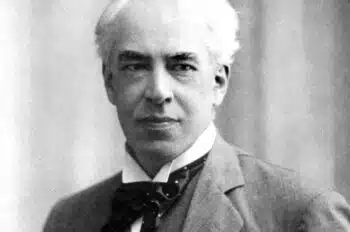
What is Konstantin Stanislavski Best Known For?
(By Tia McMullen)
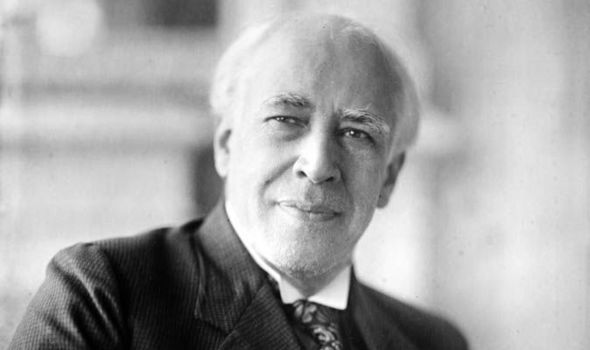
(Konstantin Stanislavski)
Konstantin Stanislavski, a towering figure in the world of theater, is best known for revolutionizing the art of acting through the development of his groundbreaking “Stanislavski System.” His work laid the foundation for modern acting techniques and continues to influence actors, directors, and educators worldwide.
The Stanislavski System: A Revolutionary Approach
Stanislavski’s system emphasizes naturalistic and truthful performance, moving away from the exaggerated gestures and melodrama of the 19th century. His approach focuses on emotional authenticity, deep character exploration, and an actor’s connection to the text. The cornerstone of his method includes:
- Emotional Memory: Encouraging actors to draw upon their own experiences and emotions to bring depth and realism to their roles.
- Objective and Superobjective: Teaching actors to identify what their characters want in a scene (objective) and in the overall narrative (superobjective).
- Given Circumstances: Guiding actors to analyze the character’s context, relationships, and environment to ground their performance.
- Active Verbs: Encouraging actions rather than static emotions, prompting actors to “do” rather than “be.”
Legacy in Actor Training
Stanislavski’s ideas have evolved and branched into other influential methods, including:
- The Method (or Method Acting): Popularized by Lee Strasberg, this adaptation emphasizes psychological and emotional immersion.
- Stella Adler’s Approach: Focuses on imagination rather than solely relying on personal memory.
- Meisner Technique: Highlights instinctive and reactive behavior between actors.
Many legendary actors, from Marlon Brando to Meryl Streep, credit Stanislavski’s principles as foundational to their craft.
Co-Founder of the Moscow Art Theatre
In 1898, Stanislavski co-founded the Moscow Art Theatre with Vladimir Nemirovich-Danchenko. This theater became a beacon for realism in performance, producing groundbreaking works like Anton Chekhov’s The Seagull and Three Sisters. Under Stanislavski’s direction, the Moscow Art Theatre became synonymous with innovative staging and truthful storytelling.
Influence on Modern Theater and Film
Stanislavski’s commitment to detailed preparation, character authenticity, and ensemble work shifted the paradigm of acting. His influence extends beyond theater to film, where his emphasis on naturalism continues to resonate in contemporary cinema.
Explore these Acting Magazine articles to deepen your understanding of Stanislavski and his groundbreaking system:
What Are the 7 Stanislavski Techniques?
What Are Stanislavski’s Core Principles of Acting?
What Is the Magic If?
Who Created the Idea of the Magic If?
7 Basic Facts About Konstantin Stanislavski
What Is Konstantin Stanislavski Best Known For?
Did Stanislavski Say There Are No Small Roles?
“There Are No Small Parts, Only Small Actors” — Konstantin Stanislavski
Konstantin Stanislavski: “Live the Part”
Konstantin Stanislavski: “Do Not Run for the Sake of Running”
When You Play an Evil Man, Look to See Where He Is Good
Love the Art in Yourself, Not Yourself in the Art
What Was Stanislavski’s Most Famous Quote?
The Complete Guide to Acting Techniques (The 2026 Edition)

Acting Magazine Newsletters
Never miss out on the best from Acting Magazine.