


What Is the Meisner Object Exercise?
The Meisner Object Exercise is a powerful tool in an actor’s toolkit
(By Tonya Tannenbaum)
 (Photo: Andrea Piacquadio | Pexels)
The Meisner technique, developed by renowned acting teacher Sanford Meisner, is one of the most influential and widely used approaches to actor training. Central to this technique is a series of exercises designed to help actors connect with their emotions, respond truthfully in the moment, and develop a deeper sense of realism in their performances. One of these foundational exercises is the Meisner Object Exercise.
Understanding the Meisner Technique
Before delving into the object exercise, it’s important to understand the core principles of the Meisner technique. Meisner believed that acting should be rooted in authentic emotion and genuine reactions rather than intellectual or premeditated choices. His technique emphasizes:
Living truthfully under imaginary circumstances:
This means that actors should respond naturally and truthfully to the given circumstances of the scene.
Repetition exercises:
These are designed to break down inhibitions and develop spontaneity in the actor’s responses.
Focus on the other:
Rather than being self-conscious, actors are trained to focus on their scene partners, allowing them to react instinctively to what’s happening in the moment.
The Meisner Object Exercise is one of several tools used to cultivate these principles in an actor’s work.
The Purpose of the Meisner Object Exercise
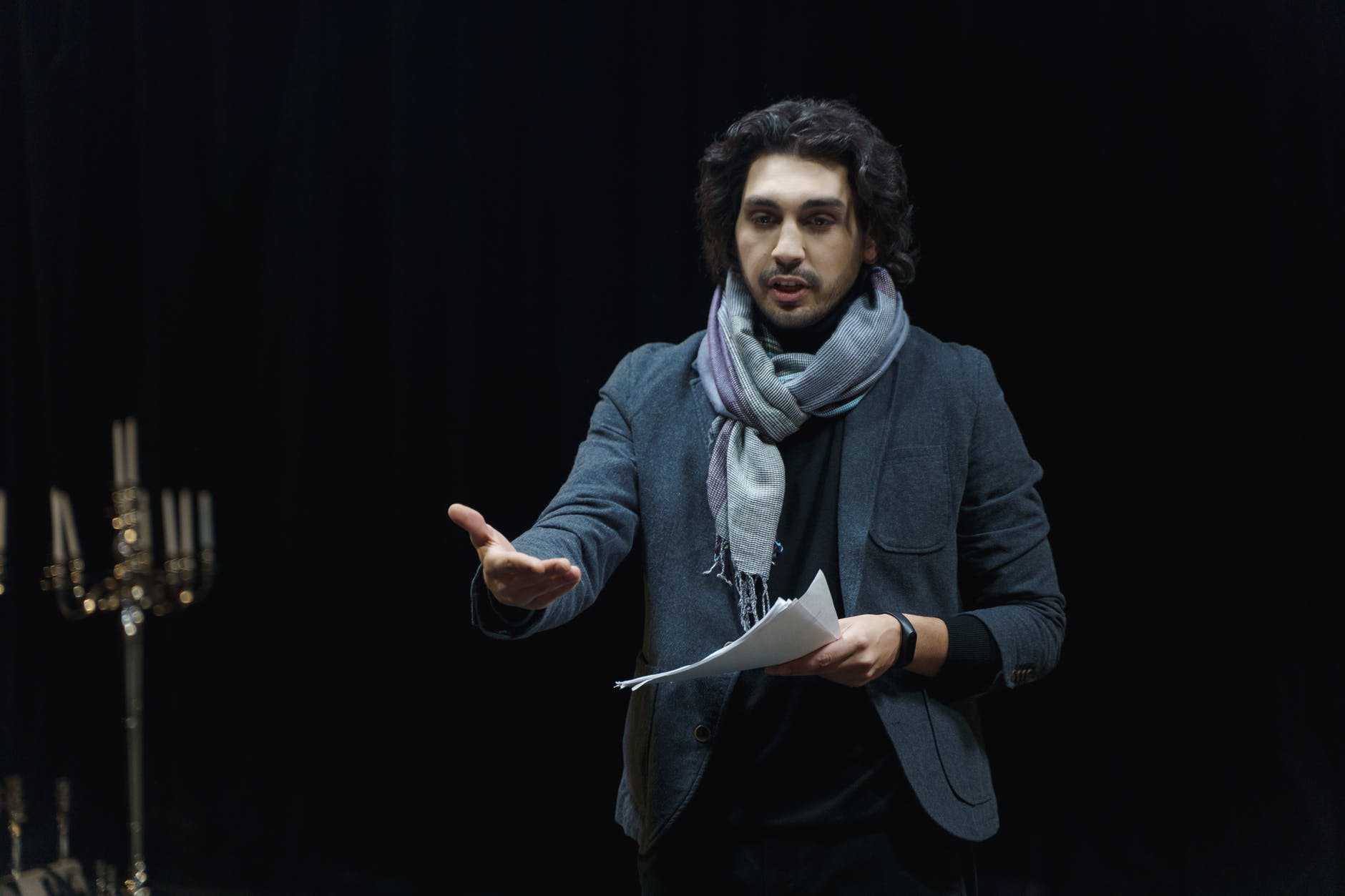 (Photo: Cottonbro | Pexels)
The Meisner Object Exercise is designed to help actors develop a stronger connection to their emotions and improve their ability to focus on simple tasks under emotional circumstances. It’s an exercise in which the actor uses a personal object to evoke genuine feelings, which can then inform their performance.
The exercise has several key objectives:
Emotional Preparation:
The exercise helps actors tap into their emotional reservoirs, allowing them to bring real, lived emotions into their scenes.
Concentration and Focus:
By focusing on a physical task involving an object, actors learn to maintain their concentration, even when experiencing strong emotions.
Truthful Behavior:
The exercise encourages actors to behave truthfully, responding to the emotions that arise naturally from their interaction with the object.
How to Perform the Meisner Object Exercise
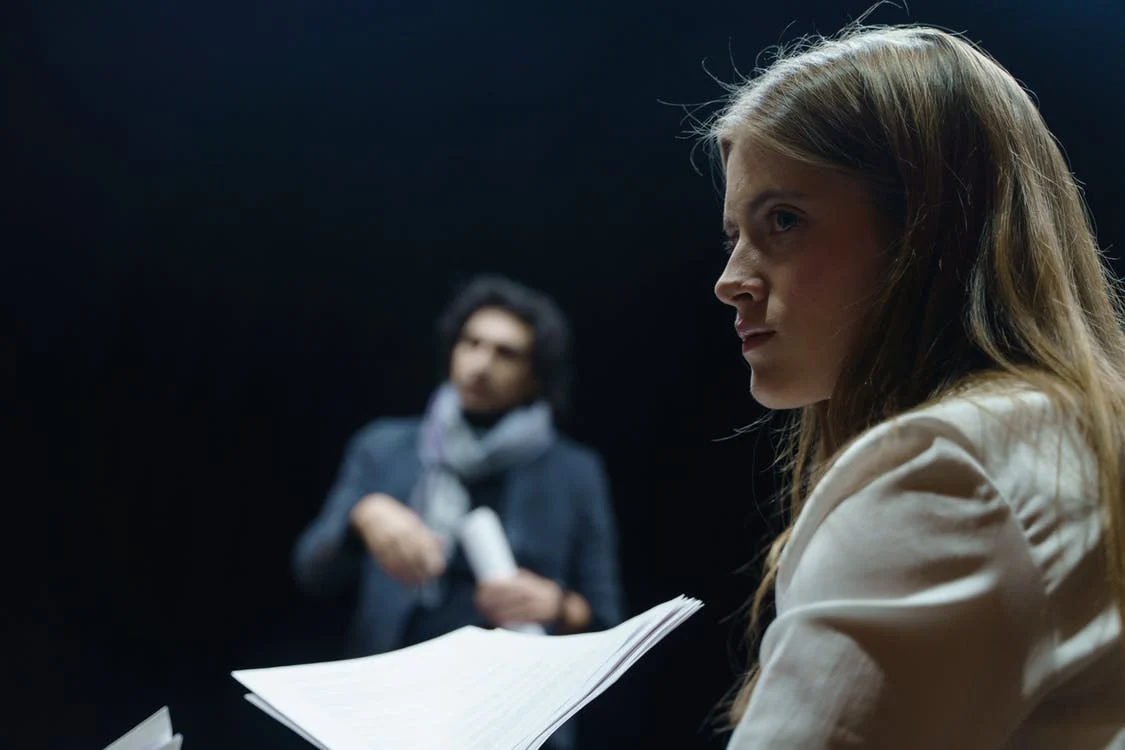 (Photo: Cottonbro | Pexels)
Choosing an Object
The first step in the Meisner Object Exercise is to select a meaningful object that can trigger an emotional response. This object should have personal significance, perhaps something that reminds the actor of a specific memory, person, or event that evokes strong feelings. The object doesn’t need to be dramatic or flashy; it simply needs to hold emotional value for the actor.
Emotional Preparation
Once the object is chosen, the actor engages in emotional preparation. This involves focusing on the object and allowing the associated memories and feelings to surface. The goal is to let these emotions come naturally, without forcing or faking them. Meisner emphasized that actors should use real emotions that stem from their own experiences, rather than pretending or fabricating feelings.
Performing a Task
With the object in hand and emotions engaged, the actor then performs a simple, everyday task involving the object. This task should be something mundane, such as cleaning the object, packing it away, or fixing it. The purpose of the task is to provide a focus for the actor’s physical actions, allowing their emotions to flow organically without becoming self-conscious.
Staying in the Moment
During the exercise, the actor’s primary focus should be on the task at hand and the emotions that naturally arise from their interaction with the object. The key is to stay present in the moment, letting the emotions guide the behavior, rather than trying to control or suppress them. The exercise teaches actors to trust their instincts and allow genuine reactions to emerge.
Reflection and Application
After completing the exercise, it’s helpful for actors to reflect on their experience. What emotions surfaced? How did the object influence their behavior? How can they apply what they learned to their scenes and performances? This reflection helps actors understand the connection between their inner emotional life and their outward behavior, a core aspect of the Meisner technique.
Significance of the Meisner Object Exercise
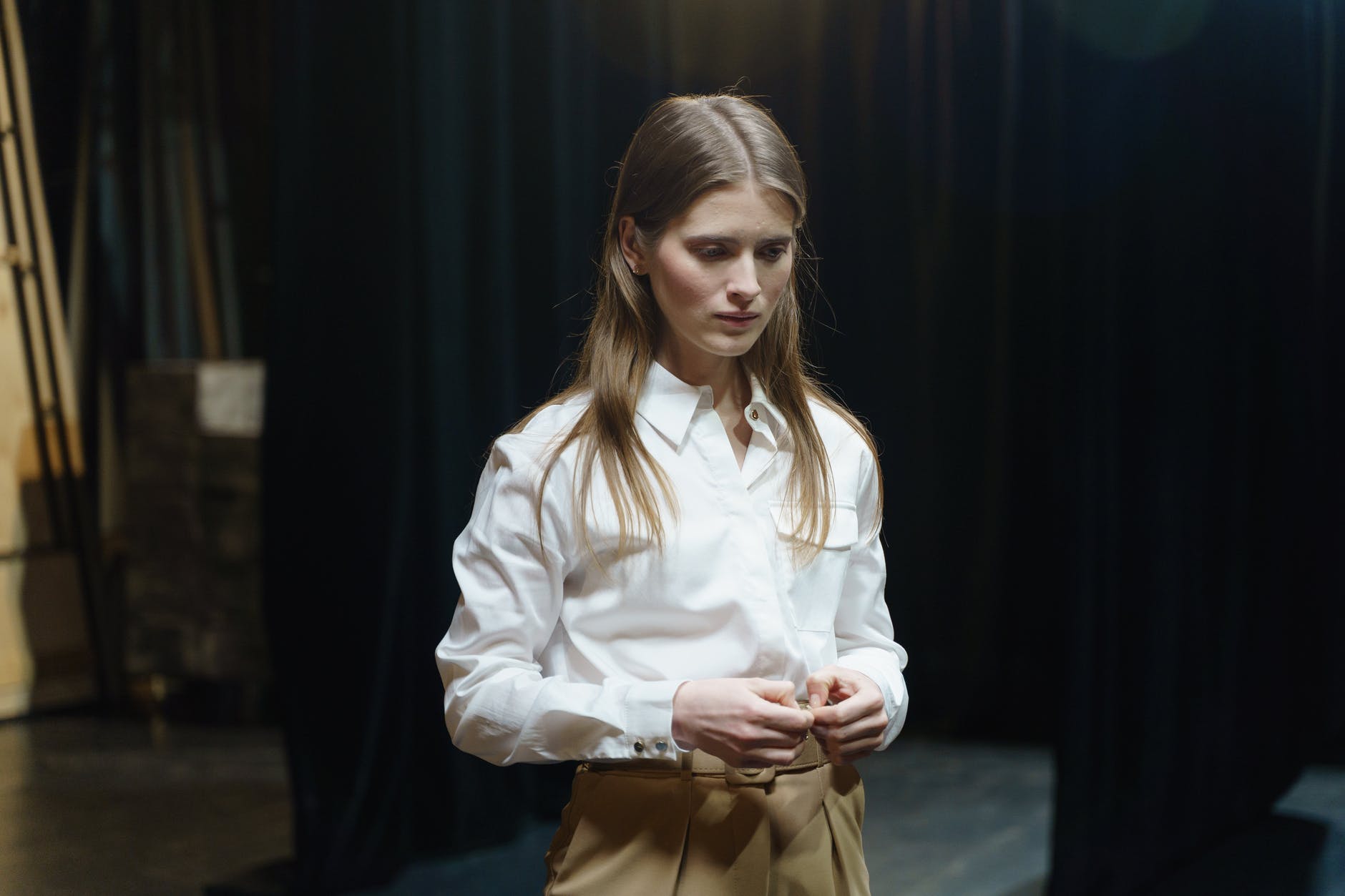 (Photo: Cottonbro | Pexels)
The Meisner Object Exercise is significant because it helps actors develop a deeper emotional connection to their work, which is essential for creating believable and compelling performances. By using a personal object to evoke real emotions, actors learn to bring authenticity and truth to their roles, which is at the heart of the Meisner technique.
Enhancing Emotional Availability
The exercise trains actors to be emotionally available on cue, a crucial skill in acting. Emotional availability means being able to access and express a range of emotions at any given moment, which is vital for delivering nuanced and dynamic performances.
Building Emotional Truth
The exercise encourages emotional truth by allowing actors to draw from their own life experiences. This personal connection to the material results in performances that resonate with audiences because they are grounded in real, relatable emotions.
Improving Focus and Presence
By concentrating on a simple task while engaging with strong emotions, actors develop better focus and presence on stage or in front of the camera. This ability to stay grounded and focused, even in emotionally charged situations, enhances an actor’s overall performance quality.
The Meisner Object Exercise is a powerful tool in an actor’s toolkit, helping to build emotional truth, focus, and authenticity in performance. By engaging with a meaningful object and allowing genuine emotions to inform their actions, actors can bring a deeper level of realism and connection to their work.
The Meisner Technique: Living Truthfully — Related Articles
What Is the Meisner Technique?
What Is the Sanford Meisner Technique?
What Is the Meisner Technique? (Definition & History)
5 Basic Facts About Sanford Meisner
What Is the Meisner Object Exercise?
What Is the Meisner Door Exercise?
How Long Does It Take to Learn Meisner?
Sanford Meisner: “Acting Is Living Truthfully Under Imaginary Circumstances”
15 Inspirational Quotes by Sanford Meisner
The Complete Guide to Acting Techniques (The 2026 Edition)

Acting Magazine Newsletters
Never miss out on the best from Acting Magazine.