


What is Stanislavski’s Most Controversial Technique?
Exploring the Most Debated Element of the Stanislavski System and Its Lasting Influence on Acting
(By Carmichael Phillip)
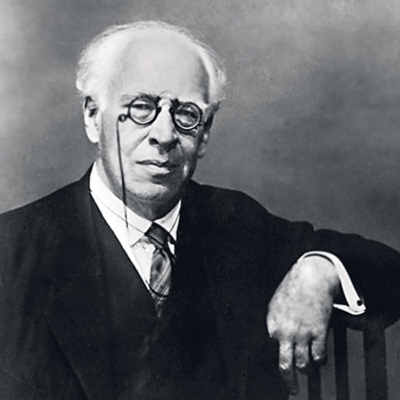
(Konstantin Stanislavski)
The Birth of the Stanislavski System
When Konstantin Stanislavski began experimenting with his acting techniques in the late 19th and early 20th centuries, he was not merely developing a method—he was changing the foundation of modern performance. Before Stanislavski, acting was often theatrical, exaggerated, and disconnected from real human behavior. His approach revolutionized the stage by insisting that actors live truthfully under imaginary circumstances.
Stanislavski’s innovations emerged during his work with the Moscow Art Theatre, where he directed plays by Chekhov and other writers who demanded subtlety and realism. Through this process, Stanislavski developed what became known as “The System.” This collection of techniques focused on emotional truth, psychological realism, and the connection between the actor’s internal world and their external performance.
However, not all of Stanislavski’s methods were embraced equally. While many of his principles became foundational for modern acting—such as objectives, super-objectives, and given circumstances—one particular technique sparked intense debate and controversy: “Emotional Memory.”
Emotional Memory: The Heart of Controversy
Stanislavski’s technique of Emotional Memory—sometimes called Affective Memory—was rooted in the belief that actors could draw upon their own past emotional experiences to bring authenticity to their performances. He theorized that by recalling an emotion from one’s personal life, the actor could recreate that genuine feeling on stage.
For example, if a character experiences grief, the actor might recall a moment of personal loss to evoke a similar emotional state. This was a radical idea in the early 1900s, as it shifted focus from outward performance to inner truth. Stanislavski argued that the actor’s emotional life should be the engine driving the performance, not mere imitation or external gesture.
While powerful in theory, Emotional Memory proved to be a double-edged sword. Many actors found it emotionally draining, even dangerous. Constantly revisiting personal trauma could blur the line between performance and personal pain. Moreover, some critics argued that it made acting self-indulgent, prioritizing the actor’s private feelings over the character’s reality.
This controversy led to years of debate among actors, directors, and teachers, many of whom misinterpreted or exaggerated the technique’s demands.
Misinterpretations and the Rise of “The Method”
As Stanislavski’s ideas spread internationally, they underwent significant transformations. In America, his teachings inspired acting pioneers such as Lee Strasberg, Stella Adler, and Sanford Meisner. Each interpreted the System differently, and the most controversial element—Emotional Memory—became the cornerstone of what is now known as Method Acting.
Lee Strasberg, in particular, embraced the emotional recall concept wholeheartedly. He encouraged actors at the Actors Studio in New York to delve deep into their psychological pasts to produce truthful emotions on stage and screen. This approach produced some of the most celebrated performances in cinema—Marlon Brando, Al Pacino, and Robert De Niro, to name a few—but it also sparked ongoing debates about the mental toll of such immersive practices.
Stanislavski himself grew wary of how Emotional Memory was being used. In his later writings, particularly in An Actor’s Work, he emphasized the importance of imagination and physical action over emotional recall. He realized that forcing personal emotions could lead to inconsistency and exhaustion, and he began to prioritize external action as the gateway to truthful performance.
Despite these clarifications, the myth of Stanislavski as the founder of “Method Acting” persisted—and so did the controversy around Emotional Memory.
Psychological Risks and Ethical Concerns
The emotional depth demanded by Emotional Memory raised ethical and psychological concerns. Actors were encouraged to mine their most painful experiences—grief, heartbreak, fear—in service of art. While some achieved remarkable performances, others reported lasting emotional distress.
Actress Kim Stanley once described Emotional Memory as “a knife that can cut too deep.” The technique requires vulnerability and exposure that not every actor can handle safely. In modern acting pedagogy, teachers often caution students to use such methods carefully, ensuring emotional boundaries remain intact.
Stanislavski’s defenders argue that his intent was never to harm or destabilize actors but to give them tools to understand human behavior more profoundly. Nevertheless, the blurred line between emotional authenticity and personal trauma continues to make Emotional Memory one of the most debated techniques in performance training.
Stanislavski’s Own Evolution: From Emotion to Action
By the 1930s, Stanislavski had grown increasingly skeptical of the reliance on Emotional Memory. He found that actors who depended solely on recalling emotions often became self-absorbed or inconsistent in performance. To address this, he shifted his focus to what he called the Method of Physical Actions—a technique emphasizing that truthful emotion arises naturally from purposeful physical behavior.
According to this later philosophy, if an actor fully commits to the physical and psychological actions of a scene—walking, touching, looking, listening—the appropriate emotions will emerge organically. Stanislavski argued that focusing on external action was both safer and more reliable than trying to summon private emotions.
This evolution demonstrated Stanislavski’s lifelong commitment to refining his system. He did not want actors to become trapped inside their own memories but to engage truthfully with the circumstances of the play. Nevertheless, his earlier writings on Emotional Memory continued to fuel decades of misinterpretation and debate, especially in Western acting schools.
How Modern Acting Schools Handle the Controversy
Today, acting schools around the world still teach elements of Stanislavski’s system, though few rely exclusively on Emotional Memory. Many instructors blend his methods with later developments, creating a more balanced approach that includes imagination, physical action, and emotional accessibility.
In programs such as RADA (Royal Academy of Dramatic Art) and The Juilliard School, students learn that Emotional Memory is only one of many tools. The emphasis is now on adaptability—actors must find techniques that serve both the role and their personal well-being.
Sanford Meisner’s approach, for example, replaced Emotional Memory with Repetition Exercises that train actors to respond truthfully in the moment. Stella Adler rejected emotional recall altogether, focusing instead on imagination and circumstance. These evolutions show how the controversy around Stanislavski’s Emotional Memory led to a broader, healthier conversation about emotional safety and artistic truth in performance.
Lasting Impact on Film and Theatre
Despite its controversies, Stanislavski’s Emotional Memory left an undeniable mark on acting. The rise of Method Acting in Hollywood owes much to his theories, and countless legendary performances bear his influence.
When Marlon Brando mumbled through A Streetcar Named Desire, or when Dustin Hoffman stayed awake for days to prepare for Marathon Man, they were following the emotional trail blazed by Stanislavski’s ideas. Whether consciously or not, they were engaging in emotional recall—seeking authenticity through personal experience.
In theatre, his influence remains just as strong. Modern directors and actors still reference Stanislavski’s writings as the cornerstone of realistic performance. Even techniques that reject Emotional Memory owe their existence to his groundbreaking exploration of inner truth.
The controversy, therefore, is part of his genius. By daring to connect the actor’s personal life to the character’s inner world, Stanislavski forever blurred the line between art and life—an innovation that continues to shape how stories are told on stage and screen.
Conclusion: The Dual Legacy of Emotional Memory
Stanislavski’s most controversial technique, Emotional Memory, remains a fascinating paradox. It is both a profound exploration of human truth and a potential minefield for emotional vulnerability. While critics have accused it of encouraging self-absorption and psychological strain, its influence on the art of acting cannot be overstated.
Stanislavski’s later shift toward physical action and imagination suggests that even he saw the limits of Emotional Memory. Yet, its existence opened new possibilities for performance, allowing actors to connect to characters with unprecedented authenticity.
Today, the debate continues—but that is perhaps the best tribute to Stanislavski’s enduring vision. He never intended his system to be static or absolute. Instead, he invited generations of artists to question, explore, and refine the delicate balance between feeling and action.
In the end, Emotional Memory stands as both a warning and an inspiration—a testament to the power and peril of using one’s own soul as the instrument of art.
Method Acting and Lee Strasberg — Related Articles
5 Basic Facts About Lee Strasberg
5 Basic Facts About Method Acting
What Is Method Acting?
What Are 5 Acting Techniques Every Actor Should Know?
Who Are the Greatest Acting Teachers of All Time?
What Are the Big 3 of Acting?
What Is Stanislavski’s Most Controversial Technique?
Memory vs. Imagination: Which Approach Works Best?
“If That Is Acting, I Don’t Want to Do It” (Stella Adler)
What Acting Technique Does Al Pacino Use?
The Complete Guide to Acting Techniques (The 2026 Edition)

Acting Magazine Newsletters
Never miss out on the best from Acting Magazine.