


What is Considered Performing Arts?
(By Carmichael Phillip)
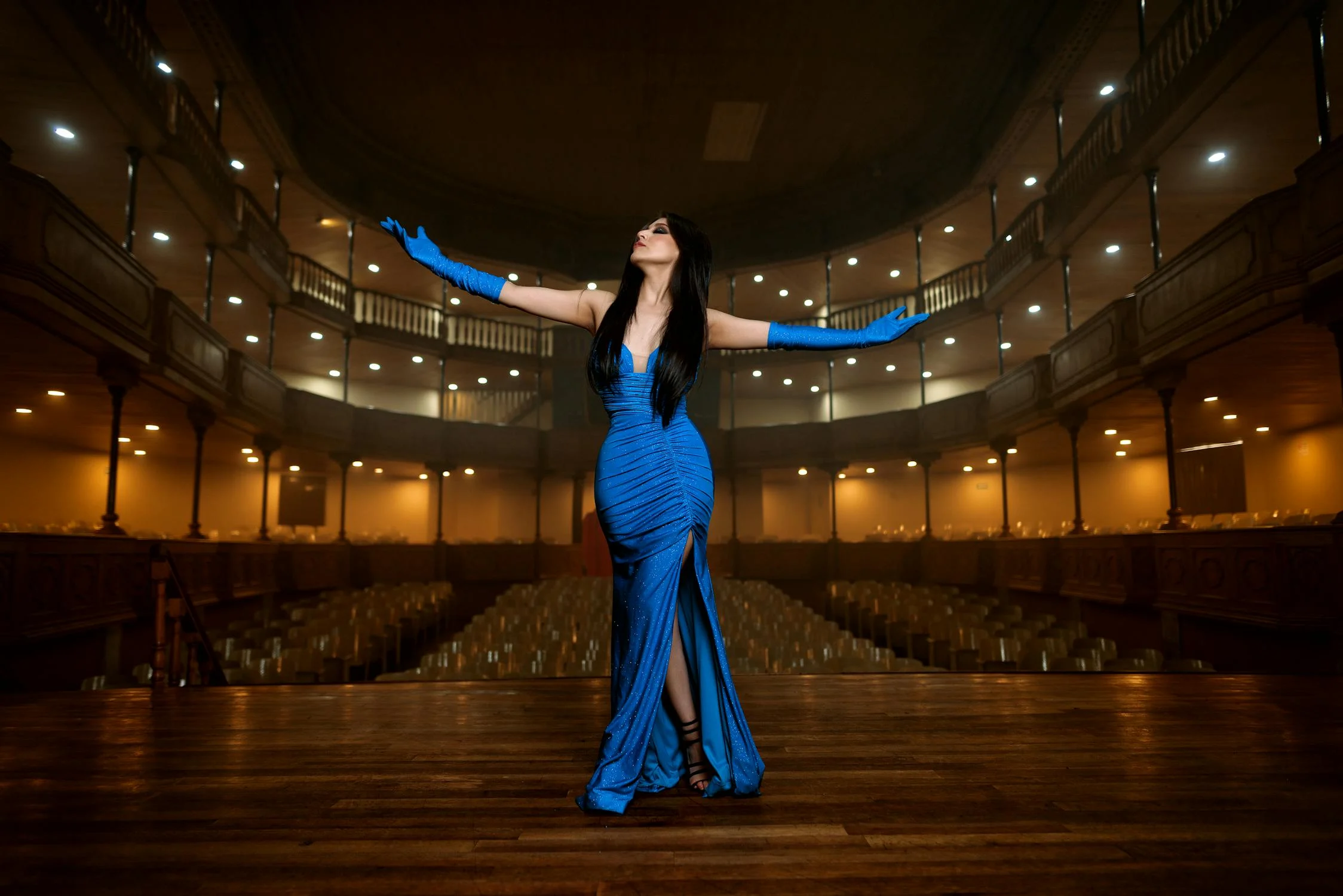 (Photo: Pitt Rom | Pexels)
The performing arts encompass a wide array of artistic expressions that involve live performances, often combining elements such as music, dance, theater, and other art forms that engage an audience. Unlike visual arts, which are typically experienced in private spaces like galleries and museums, performing arts are inherently tied to public performances and the interaction between the artist and the audience. The performing arts have existed for millennia, with early forms of storytelling and ritualistic performances evolving into the highly structured art forms we see today.
The Broad Scope of Performing Arts
At its core, performing arts are any form of art that is intended to be performed for an audience. The performance typically requires the live presence of an artist or group of artists, whether on a stage, in a studio, or in other settings. These performances involve a combination of movement, speech, sound, and sometimes visual elements. While there are numerous disciplines within the performing arts, they are generally categorized into four major genres: music, dance, theater, and interdisciplinary art forms.
1. Music: The Art of Sound
Music is perhaps one of the oldest and most universal forms of performing arts, deeply ingrained in human culture across all societies. It spans a wide variety of genres, including classical, jazz, rock, hip-hop, folk, opera, and electronic music, to name just a few. In the context of performing arts, music typically refers to the live performance of vocal and instrumental compositions.
Examples:
-
Classical Music: Orchestral performances of symphonies and concertos, such as Beethoven’s Symphony No. 9 or Tchaikovsky’s The Nutcracker Suite, are prime examples of music as a performing art. These performances are typically held in concert halls and involve a large ensemble of musicians, conducted by a conductor, with an audience that experiences the complex soundscapes created by the instruments.
-
Opera: A fusion of theater and music, opera combines singing, orchestration, and often ballet or other forms of movement. Famous operas such as Mozart’s The Magic Flute or Puccini’s La Bohème are performed in opera houses, where vocalists perform arias and recitatives, accompanied by an orchestra.
-
Jazz: Performances of jazz, such as those by legendary artists like Miles Davis or Duke Ellington, showcase improvisation and spontaneous composition. Jazz performances often take place in smaller venues, where individual musicians improvise based on a structure, offering a unique experience each time.
2. Dance: The Art of Movement
Dance is another key component of the performing arts, rooted in the physical movement of the human body to express emotions, tell stories, or showcase rhythmic patterns. Dance can be performed solo or as part of a group, and it often involves elaborate choreography, sometimes synchronized with music or other elements. There are numerous styles of dance, including ballet, contemporary, hip-hop, jazz, tap, and folk dances from various cultures around the world.
Examples:
-
Ballet: One of the most iconic forms of dance, ballet is a highly technical art form with a rich history dating back to Renaissance Italy and later flourishing in Russia and France. Performances such as Swan Lake by Pyotr Ilyich Tchaikovsky or The Nutcracker demonstrate the intricate footwork, graceful movements, and storytelling that are central to ballet.
-
Contemporary Dance: Unlike ballet, which adheres to a strict set of techniques, contemporary dance is more experimental and fluid, incorporating influences from modern dance, jazz, and ballet. Pioneers like Martha Graham and Merce Cunningham helped establish contemporary dance as a major art form in the 20th century, with companies like Alvin Ailey American Dance Theater continuing to push the boundaries of what dance can be.
-
Hip-Hop Dance: Originating in the streets and clubs of the 1970s, hip-hop dance has become a global phenomenon, with styles such as breakdancing, locking, and popping. Performances at competitions like World of Dance showcase the energy, creativity, and athleticism of hip-hop dancers.
3. Theater: The Art of Storytelling through Performance
Theater is one of the oldest forms of performing arts, often involving actors who perform scripted plays in front of an audience. The performance typically includes dialogue, music, and movement, and it can be performed in a variety of venues, ranging from small, intimate theaters to large, elaborate stages. Theater encompasses a wide range of genres, from classical works to contemporary plays, comedies, and tragedies.
Examples:
-
Classical Theater: Works by playwrights such as William Shakespeare, Sophocles, and Anton Chekhov have stood the test of time and continue to be performed around the world. Shakespeare’s Hamlet or Sophocles’ Oedipus Rex are prime examples of how theater can use dialogue and performance to explore deep human emotions and conflicts.
-
Musicals: A blend of music, dialogue, and dance, musicals are a highly popular form of theater that often entertain while also telling a story. Classic examples include Les Misérables, The Phantom of the Opera, and Hamilton, all of which combine powerful performances with memorable music and dance numbers.
-
Experimental Theater: Over the years, theater has evolved into experimental forms that often break away from traditional structures. Companies like the Wooster Group or artists such as Robert Wilson have pushed the boundaries of what theater can be, incorporating multimedia, non-linear storytelling, and unconventional performance spaces.
4. Interdisciplinary and Other Performance Art Forms
While music, dance, and theater are the most well-known forms of performing arts, there are many other genres and interdisciplinary art forms that blend multiple elements of performance. These can include experimental theater, performance art, puppetry, circus arts, and even video games that incorporate live action and performance.
Examples:
-
Performance Art: This art form, often associated with the avant-garde movements of the 20th century, involves artists using their bodies and actions to convey messages or challenge traditional notions of art. Notable examples include Marina Abramović’s The Artist Is Present, in which the artist sat in a gallery for hours, silently engaging with viewers, and Yoko Ono’s Cut Piece, where she invited audience members to cut pieces of her clothing off while she remained still.
-
Puppetry: Puppetry is a unique form of performance that involves manipulating puppets to tell a story. This can include traditional puppet theater, such as the marionette shows in Eastern Europe, as well as modern works like Avenue Q, a Broadway musical that uses puppets to explore adult themes with humor and satire.
-
Circus Arts: The modern circus has evolved far beyond its roots as a spectacle featuring animals and acrobats. Cirque du Soleil is a prime example of how circus arts have transformed into a blend of dance, theater, acrobatics, and music to create immersive experiences. Performers like aerialists, clowns, and contortionists all contribute to a circus performance, showcasing feats of strength and creativity.
-
Interactive Performances in Video Games: While it may seem unconventional, video games have also become a form of performing art. Games such as The Last of Us and Red Dead Redemption use actors’ performances, motion capture technology, and scripted dialogue to create immersive worlds. The performances of actors in these video games contribute to the storytelling, making it an intersection between traditional acting and modern technology.
The Role of Technology in Performing Arts
Over the years, technology has become increasingly integrated into performing arts, enhancing and transforming how performances are experienced. From projection mapping to live streaming, technology provides new tools for performers and audiences alike. In theater, for example, augmented reality (AR) and virtual reality (VR) are starting to be used to create immersive environments for the audience. In music, electronic instruments and digital sound engineering allow for new forms of musical expression that were previously not possible.
Examples:
-
Theater and Technology: Shows like Sleep No More, an immersive theater experience in New York, blend technology with live performance to engage the audience in a multi-sensory experience. Audience members move through a maze-like setting, and performances unfold around them, utilizing lighting, sound design, and video projections.
-
Virtual Concerts: During the COVID-19 pandemic, virtual concerts became a new way for musicians to perform for audiences worldwide. Artists like Travis Scott and The Weeknd hosted virtual concerts within video games like Fortnite, using technology to reach millions of fans in a live, interactive setting.
The performing arts encompass a vast and diverse range of artistic expressions, from classical music and ballet to experimental theater and virtual performances. At their core, these art forms are about live interaction between performers and audiences, where storytelling, creativity, and expression are conveyed through music, movement, and dialogue.
Whether it is the grandeur of an orchestral performance, the emotion of a contemporary dance piece, or the deep storytelling in a theater production, the performing arts continue to evolve. They engage audiences in unique ways, creating lasting memories and shaping cultures around the world. As technology continues to advance, new forms of performance will emerge, keeping the world of performing arts vibrant and ever-changing.

Acting Magazine Newsletters
Never miss out on the best from Acting Magazine.