


Why Do Actors Look So Good?
(By Carmichael Phillip)
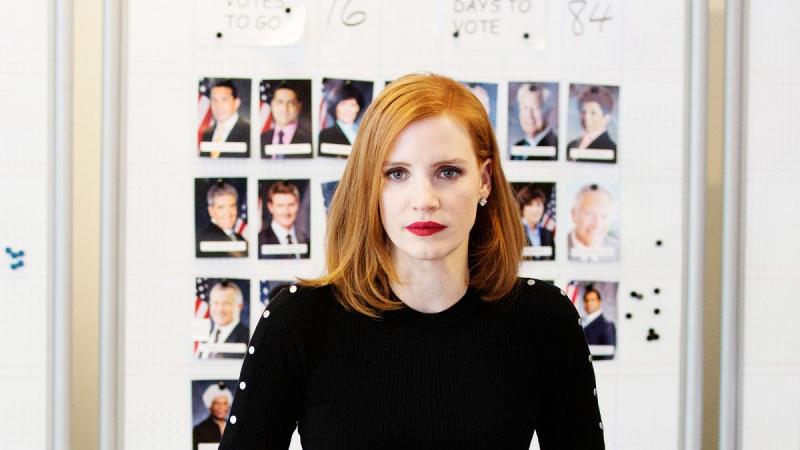
Actors often look so good because their appearance is supported by professional makeup artists, hairstylists, wardrobe stylists, personal trainers, lighting technicians, cinematographers and post-production teams. Many actors are also naturally photogenic and are cast partly because of how well they appear on camera. However, what audiences see on screen is usually the result of a combination of genetics, grooming, flattering lighting, camera angles, tailored clothing, skin care and digital enhancement—not simply natural appearance alone.
Actors are often celebrated for their striking appearances—whether it’s their flawless skin, sharp features, or perfectly sculpted bodies. It’s not uncommon for fans to wonder: Why do actors look so good? While it may seem like some actors are naturally gifted with perfect looks, there are a number of factors that contribute to the polished, picture-perfect image that actors present.
1. Genetics and Natural Features
It’s no secret that genetics play a significant role in how someone looks. Many actors are naturally gifted with features that align with traditional beauty standards, such as symmetrical faces, clear skin, and striking eyes. These genetic traits often make them ideal candidates for roles that require a certain look. However, it’s important to note that while genetics might give an actor a head start, it’s only one part of the equation.
2. Hair and Makeup Experts
A huge part of an actor’s polished appearance comes from the expert hands of hair and makeup artists. On film and television sets, actors work with skilled professionals who know how to enhance their natural features and create the perfect look for each role. Makeup artists can work wonders by using high-quality products to give actors glowing skin, accentuate their facial features, and even transform them into entirely different characters. Hair stylists, meanwhile, craft perfect hairstyles that complement the actor’s face shape and the character they’re portraying.
These professionals help actors achieve the desired look that fits the project, whether it’s a glamorous red carpet appearance, a historical period piece, or an action-packed blockbuster. The combination of makeup, hairstyling, and wardrobe choices all contribute to making actors look their best.
3. Diet and Exercise Regimens
Maintaining a fit and healthy body is crucial for many actors, especially those who take on physically demanding roles. For actors portraying superheroes, athletes, or action heroes, strict diet and exercise regimens are often part of their routine. Personal trainers and nutritionists help them get into peak physical condition, often leading to dramatic transformations that make them appear more toned, muscular, or lean.
Even when not preparing for a specific role, many actors follow regular fitness routines to stay in shape. Some actors may have a higher metabolism or more natural muscle definition, but consistent exercise and healthy eating are key factors in achieving their striking physiques. Plus, fitness isn’t just about aesthetics; it helps actors perform better on set, whether they need to run, fight, or carry out physically demanding stunts.
4. Professional Styling and Wardrobe
The right clothes can make a huge difference in how someone looks. For actors, working with stylists is a key part of their public image. Red carpet events, film premieres, and photo shoots all require careful attention to wardrobe choices that complement an actor’s body type and enhance their appearance. Stylists consider fabric, cut, color, and fit to ensure that the actor looks their absolute best.
Wardrobe choices for a particular role also play a major part in how actors appear. For example, an actor playing a historical character may be dressed in period clothing, while a modern-day character might wear fashionable, trendy outfits. These carefully chosen costumes can enhance the actor’s look, making them even more visually striking.
5. Lighting and Camera Techniques
The magic of film and television isn’t just in the acting—it’s in the way everything is shot. Lighting plays a huge role in making actors look good on screen. Cinematographers use lighting techniques to highlight an actor’s best features and minimize imperfections. Soft lighting can smooth out skin and create a flattering glow, while backlighting or dramatic shadows can add depth and dimension.
Moreover, cameras and lenses are designed to capture actors at their best angles. For example, certain lenses can create a more cinematic look by blurring backgrounds and focusing on the actor’s face, giving them a more polished, glamorous appearance. Even in casual scenes, lighting and camera techniques enhance the actor’s visual appeal.
6. Professional Skincare and Treatments
Skincare is another important factor in an actor’s appearance. Many actors invest in professional skincare routines and treatments to keep their skin looking youthful and radiant. Facials, anti-aging treatments, and other specialized skin care routines help maintain healthy, glowing skin. Actors often have access to dermatologists and aestheticians who recommend treatments to keep their skin camera-ready at all times.
Additionally, stress and long hours on set can take a toll on an actor’s skin, but their skincare professionals work to address any issues before they become visible on screen.
7. Mental Health and Confidence
Lastly, an actor’s confidence can have a significant impact on their overall appearance. Actors often undergo training and therapy to help them build self-assurance and overcome any insecurities they might have. This confidence translates to their on-screen presence, making them appear more charismatic and attractive. People are naturally drawn to those who exude confidence, and actors often radiate this through their performances, whether they’re portraying a vulnerable character or a confident hero.
While natural beauty certainly plays a role in why actors look so good, there is much more that goes into their appearance than meets the eye. From hair and makeup artists to personal trainers, stylists, and advanced camera techniques, actors rely on a wide range of professional resources to help them look their best. Furthermore, their commitment to maintaining their appearance through skincare, fitness routines, and mental health practices also contribute to their stunning looks. Ultimately, it’s a combination of nature and nurture—along with a bit of Hollywood magic—that makes actors appear so effortlessly glamorous.
Related Topics
Why Actors Are So Beautiful – Explore how genetics, grooming, professional styling, lighting and industry expectations combine to create the polished appearance associated with many actors.
Why Do Actors Look So Good? – Learn how makeup artists, hairstylists, wardrobe teams, fitness and camera techniques contribute to the highly polished look of film and television performers.
Who Are Considered the Most Attractive Actors? – Explore actors such as Chris Hemsworth, Idris Elba and Brad Pitt and the combination of physical appearance, charisma and screen presence that contributes to their appeal.
Can I Be an Actor If I’m Not Pretty? – Learn why conventional beauty is not required for an acting career and why talent, authenticity and distinctive qualities can matter far more.
Do Looks Matter for Acting? – Examine how appearance can influence casting while talent, character suitability and screen presence ultimately remain more important than traditional beauty standards.
Do You Have to Be Skinny to Be an Actor? – Explore Hollywood body standards, typecasting and the growing range of body types represented in modern film and television.
Does Height Matter for Acting? – Learn how an actor’s height can occasionally affect casting while rarely preventing talented performers from succeeding.
What Is the Average Height of an Actor? – Explore average actor heights and why film and television casting is generally much more flexible about stature than modeling.
How Do Short Actors Look Tall? – Discover how camera angles, lifts, blocking and forced perspective can alter how an actor’s height appears on screen.
What Actor Type Am I? – Learn how appearance, personality, energy and performance style combine to shape the roles casting professionals may naturally associate with an actor.
How to Figure Out Your Acting Type – Explore how height, build, facial features, voice and personality can help actors understand how the industry initially perceives them.
What Is Typecasting? – Learn how physical appearance, previous roles and audience expectations can cause performers to be repeatedly cast as similar character types.
What Is a Character Actor? – Explore how actors with distinctive or unconventional appearances can build successful careers by playing memorable supporting characters.
What Does It Mean If Someone Is a Character Actor? – Learn why character actors are often valued for individuality, transformation and versatility rather than conventional leading-star looks.
Who Is the Greatest Character Actor of All Time? – Explore performers whose memorable careers demonstrate that distinctive appearance and acting ability can be more valuable than traditional Hollywood beauty.
Is Willem Dafoe a Character Actor? – Examine how Willem Dafoe’s distinctive face, intensity and transformative ability have helped him become one of Hollywood’s most versatile performers.
Is Tommy Lee Jones a Character Actor? – Explore how Tommy Lee Jones’s rugged appearance and commanding presence have contributed to his distinctive casting identity.
How Do Casting Directors Cast Actors? – Learn how casting directors balance acting skill, physical appearance, chemistry and character requirements when selecting performers.
What Do Casting Directors Want to Know About You? – Explore why casting professionals consider an actor’s type, look, training, personality and professionalism when deciding who fits a role.
What Do Casting Agencies Look For? – Learn how casting professionals evaluate authenticity, talent, marketability and physical type rather than simply choosing the most conventionally attractive performer.
What Do Producers Look for in Actors? – Discover how producers weigh talent, professionalism, screen presence and physical appearance when making casting decisions.
What Is the Standard Headshot for an Actor? – Learn how a professional headshot presents an actor’s face and natural appearance clearly to casting directors.
What Is the Rule of Thumb for Headshots? – Explore why an actor’s headshot should accurately represent their current appearance instead of presenting an unrealistic glamour image.
What Is the Best Headshot for Acting? – Discover why the strongest acting headshots communicate personality, type and authenticity rather than simply making the actor look attractive.
How Do I Get a Headshot for Acting? – Learn how to create professional photographs that show casting professionals what you genuinely look like and the roles you can realistically play.
Do You Need a Headshot for an Audition? – Explore why casting teams use headshots to assess an actor’s visual suitability and remember performers after auditions.
Do Actors Smile in Headshots? – Learn how facial expression in a headshot can communicate warmth, personality and casting type rather than simply attractiveness.
What Should Be on an Acting Resume? – Explore why actors commonly include height and other useful physical information alongside credits, training and special skills.
Guidelines for Acting Resumes – Review traditional résumé guidance for listing physical characteristics such as height, hair color, eye color and clothing sizes.
How Do Actors Get Noticed? – Learn why authentic auditions, strong marketing materials and memorable performances often matter more than simply being physically attractive.
What Is an Actor? – Explore the many categories of actors, from leads and character performers to doubles and background actors, demonstrating the wide range of appearances needed in productions.

Acting Magazine Newsletters
Never miss out on the best from Acting Magazine.