


Can I Be an Actor If I’m Not Pretty?
(By Carmichael Phillip)
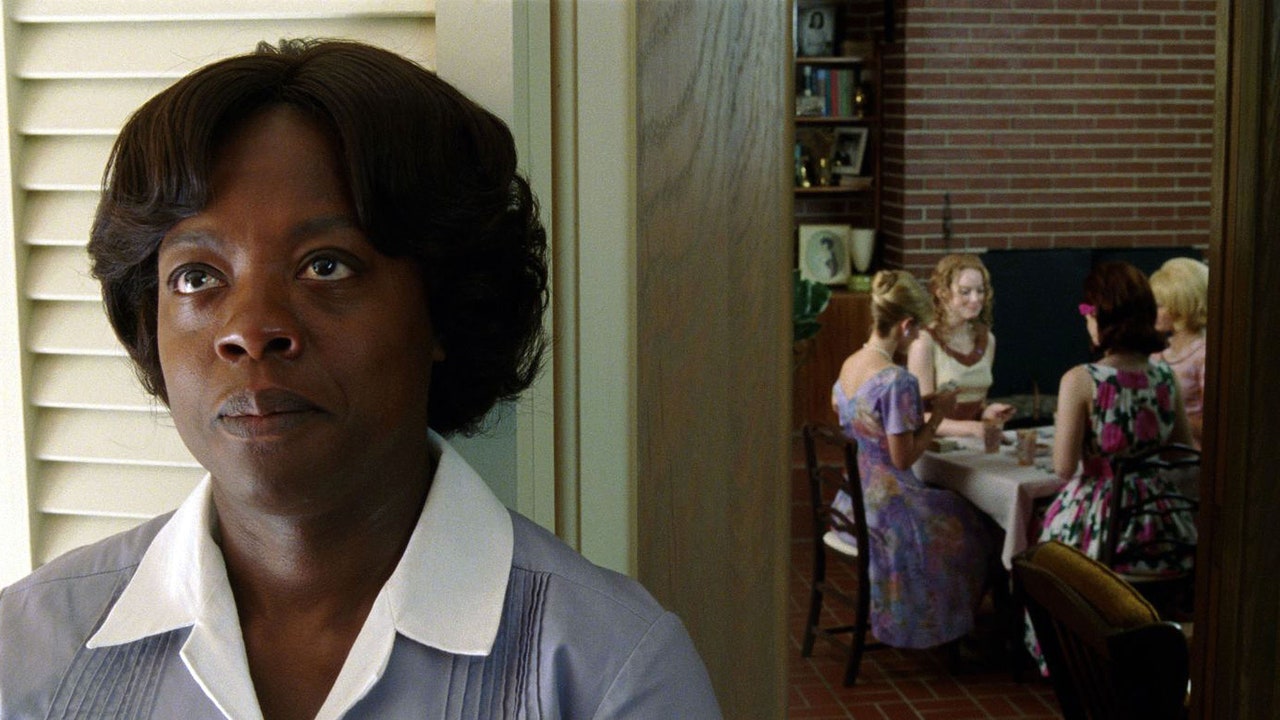
Yes, you can absolutely become an actor if you are not conventionally attractive. Acting is primarily about talent, authenticity, emotional truth, presence, timing and the ability to embody a character. In fact, many successful actors built their careers because they had distinctive, memorable or unconventional looks rather than traditional movie-star beauty. Casting directors need performers of every age, size, height, face and body type because believable stories require people who look like the real world.
The entertainment industry often seems obsessed with beauty, with many actors and actresses being celebrated for their looks as much as their talent. From glamorous red carpet events to magazine covers, it can feel like the standards of beauty are paramount to success in acting. This may lead many aspiring actors to wonder: Can I be an actor if I’m not pretty?
The good news is that the answer is a resounding yes. Talent, hard work, and the ability to embody a character are far more important in acting than physical appearance alone. While the media often focuses on beauty, there is a much broader range of roles and opportunities for actors of all types, regardless of conventional beauty standards.
The Role of Appearance in Acting
It’s true that in some roles, physical appearance may play a part. Leading characters in romantic comedies or superhero films may be portrayed as conventionally attractive. However, these are just a fraction of the roles available in the industry. In fact, the majority of acting jobs don’t require actors to fit a particular mold of beauty.
Characters are diverse, and so are the actors who portray them. From quirky sidekicks to complex villains, every story requires a variety of personalities and appearances to bring depth and authenticity to the performance. Think of the many actors who are celebrated for their unique looks—people like Steve Buscemi, Tilda Swinton, or Danny DeVito. These actors aren’t celebrated for their “conventional” beauty, but for their talent, distinctiveness, and ability to make a lasting impression.
The Power of Character Acting
One of the most exciting aspects of acting is the opportunity to transform. Acting isn’t just about looking a certain way—it’s about creating a character that is believable, relatable, and captivating. Many of the greatest actors are known for their versatility in taking on a wide range of roles, often undergoing transformations in appearance, behavior, and mannerisms to portray different characters.
Character actors, who are often cast in supporting roles, may not fit traditional beauty standards, but they bring depth and richness to the characters they play. These actors often get the chance to explore more diverse, multifaceted roles, showcasing their range and talent. Think of actors like Meryl Streep, John C. Reilly, and Viola Davis, who have all played a wide range of roles that highlight their talent, not their appearance.
The Importance of Talent Over Looks
While physical appearance might catch the attention of casting directors for certain roles, it is talent that keeps actors in the industry for the long haul. Acting is about more than just looking good on screen—it’s about emotional depth, timing, and the ability to evoke real feelings from the audience. Whether an actor is playing a hero or a villain, an emotionally complex character or a comedic role, it’s their ability to make that character believable that truly matters.
Casting directors and producers look for actors who can embody a character’s essence, regardless of whether they fit conventional beauty standards. Acting is a craft, and like any craft, it requires practice, dedication, and continuous learning. The most successful actors often have years of experience and training, showing that talent is ultimately more valuable than looks.
Breaking Beauty Stereotypes in Hollywood
Hollywood has historically been criticized for promoting narrow beauty standards. However, in recent years, there has been a growing movement toward greater diversity in the industry, including more opportunities for actors of all looks, sizes, and backgrounds. This shift is driven by the recognition that audiences want to see more realistic and diverse representations on screen.
Movies and television shows are beginning to cast actors who reflect the wide array of appearances in the real world. From body-positive movements to casting choices that prioritize talent over superficiality, the landscape is changing. Characters in film and TV are becoming more authentic, and this means that there’s a place for actors of all shapes, sizes, and appearances.
Embracing Your Uniqueness
If you’re worried about not being “pretty” enough to be an actor, remember this: every actor has something unique to offer. Your look, your personality, your voice, and your individual way of interpreting characters are what make you stand out. The industry needs actors who can bring something different to the table, and if you have a passion for acting, you can absolutely succeed in it.
The key to becoming a successful actor is not about meeting a beauty standard—it’s about being true to yourself, honing your craft, and finding roles that allow you to express your talent. Whether you’re cast as the romantic lead, a quirky side character, or a dramatic figure, your worth as an actor lies in your ability to make the audience believe in your character.
So, can you be an actor if you’re not pretty? Absolutely. Beauty is subjective, and in acting, talent far outweighs physical appearance. The entertainment industry is filled with opportunities for actors of all types, and as long as you focus on developing your skills and bringing your unique self to every role, there’s a place for you. The world needs diversity in storytelling, and that includes diversity in how actors look and who they are. Stay true to yourself, and let your passion and talent shine.
Related Topics
Why Actors Are So Beautiful – Explore how genetics, grooming, professional styling, lighting and industry expectations combine to create the polished appearance associated with many actors.
Why Do Actors Look So Good? – Learn how makeup artists, hairstylists, wardrobe teams, fitness and camera techniques contribute to the highly polished look of film and television performers.
Who Are Considered the Most Attractive Actors? – Explore actors such as Chris Hemsworth, Idris Elba and Brad Pitt and the combination of physical appearance, charisma and screen presence that contributes to their appeal.
Can I Be an Actor If I’m Not Pretty? – Learn why conventional beauty is not required for an acting career and why talent, authenticity and distinctive qualities can matter far more.
Do Looks Matter for Acting? – Examine how appearance can influence casting while talent, character suitability and screen presence ultimately remain more important than traditional beauty standards.
Do You Have to Be Skinny to Be an Actor? – Explore Hollywood body standards, typecasting and the growing range of body types represented in modern film and television.
Does Height Matter for Acting? – Learn how an actor’s height can occasionally affect casting while rarely preventing talented performers from succeeding.
What Is the Average Height of an Actor? – Explore average actor heights and why film and television casting is generally much more flexible about stature than modeling.
How Do Short Actors Look Tall? – Discover how camera angles, lifts, blocking and forced perspective can alter how an actor’s height appears on screen.
What Actor Type Am I? – Learn how appearance, personality, energy and performance style combine to shape the roles casting professionals may naturally associate with an actor.
How to Figure Out Your Acting Type – Explore how height, build, facial features, voice and personality can help actors understand how the industry initially perceives them.
What Is Typecasting? – Learn how physical appearance, previous roles and audience expectations can cause performers to be repeatedly cast as similar character types.
What Is a Character Actor? – Explore how actors with distinctive or unconventional appearances can build successful careers by playing memorable supporting characters.
What Does It Mean If Someone Is a Character Actor? – Learn why character actors are often valued for individuality, transformation and versatility rather than conventional leading-star looks.
Who Is the Greatest Character Actor of All Time? – Explore performers whose memorable careers demonstrate that distinctive appearance and acting ability can be more valuable than traditional Hollywood beauty.
Is Willem Dafoe a Character Actor? – Examine how Willem Dafoe’s distinctive face, intensity and transformative ability have helped him become one of Hollywood’s most versatile performers.
Is Tommy Lee Jones a Character Actor? – Explore how Tommy Lee Jones’s rugged appearance and commanding presence have contributed to his distinctive casting identity.
How Do Casting Directors Cast Actors? – Learn how casting directors balance acting skill, physical appearance, chemistry and character requirements when selecting performers.
What Do Casting Directors Want to Know About You? – Explore why casting professionals consider an actor’s type, look, training, personality and professionalism when deciding who fits a role.
What Do Casting Agencies Look For? – Learn how casting professionals evaluate authenticity, talent, marketability and physical type rather than simply choosing the most conventionally attractive performer.
What Do Producers Look for in Actors? – Discover how producers weigh talent, professionalism, screen presence and physical appearance when making casting decisions.
What Is the Standard Headshot for an Actor? – Learn how a professional headshot presents an actor’s face and natural appearance clearly to casting directors.
What Is the Rule of Thumb for Headshots? – Explore why an actor’s headshot should accurately represent their current appearance instead of presenting an unrealistic glamour image.
What Is the Best Headshot for Acting? – Discover why the strongest acting headshots communicate personality, type and authenticity rather than simply making the actor look attractive.
How Do I Get a Headshot for Acting? – Learn how to create professional photographs that show casting professionals what you genuinely look like and the roles you can realistically play.
Do You Need a Headshot for an Audition? – Explore why casting teams use headshots to assess an actor’s visual suitability and remember performers after auditions.
Do Actors Smile in Headshots? – Learn how facial expression in a headshot can communicate warmth, personality and casting type rather than simply attractiveness.
What Should Be on an Acting Resume? – Explore why actors commonly include height and other useful physical information alongside credits, training and special skills.
Guidelines for Acting Resumes – Review traditional résumé guidance for listing physical characteristics such as height, hair color, eye color and clothing sizes.
How Do Actors Get Noticed? – Learn why authentic auditions, strong marketing materials and memorable performances often matter more than simply being physically attractive.
What Is an Actor? – Explore the many categories of actors, from leads and character performers to doubles and background actors, demonstrating the wide range of appearances needed in productions.

Acting Magazine Newsletters
Never miss out on the best from Acting Magazine.