


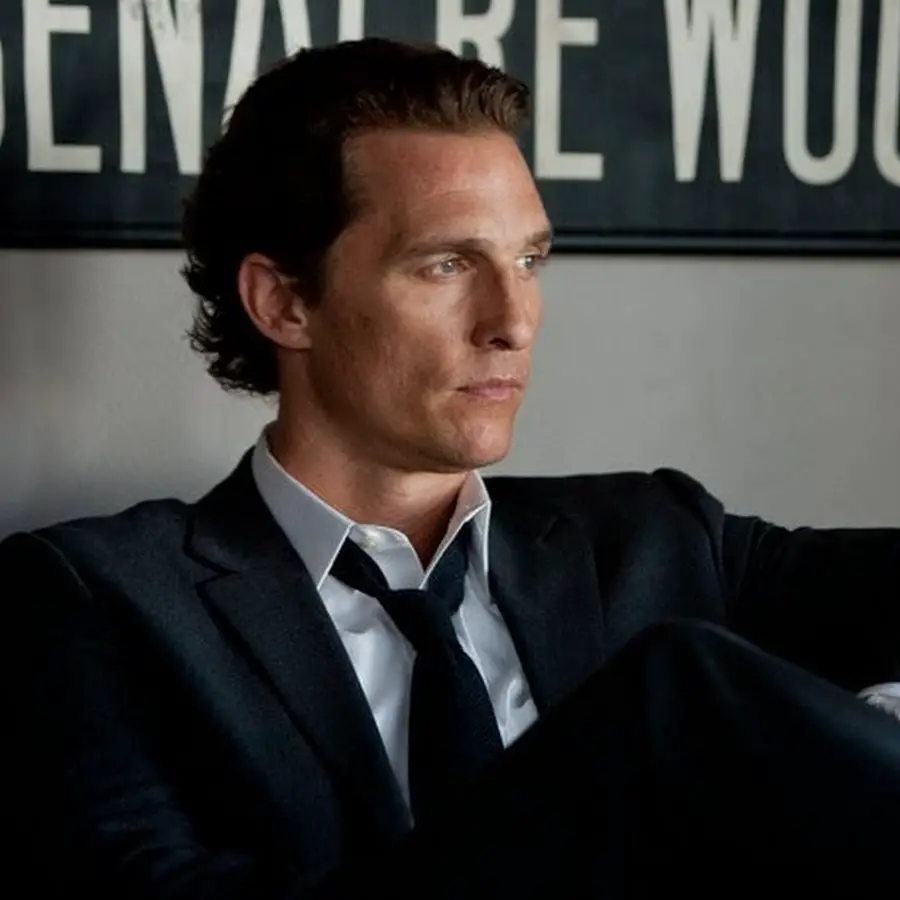
Why does Matthew McConaughey do Lincoln commercials?
Exploring the actor’s connection with Lincoln, authenticity, and the art of storytelling behind luxury car advertising.
(By Carmichael Phillip)
The Birth of an Unexpected Partnership
When Lincoln and Matthew McConaughey first teamed up in 2014, the collaboration seemed curious to some. Why would an Oscar-winning actor—fresh off Dallas Buyers Club and True Detective—choose to appear in car commercials? But the decision wasn’t random. It was part of Lincoln’s effort to rebrand itself as a sophisticated, introspective luxury automaker appealing to a new generation of drivers.
McConaughey brought more than just star power—he brought a distinctive tone. The first ads, directed by Nicolas Winding Refn (Drive), featured the actor delivering slow, thoughtful monologues while cruising in sleek Lincoln vehicles through winding roads and city streets. The commercials didn’t shout about features or horsepower; they whispered about perspective, mindfulness, and purpose.
The collaboration worked. Lincoln’s sales spiked dramatically after the first campaign aired, especially among younger and more affluent consumers. It turned what could have been an ordinary celebrity endorsement into a cultural moment—complete with parodies from Saturday Night Live and South Park.
McConaughey’s Philosophy: “Just Keep Livin’”
To understand why McConaughey does the Lincoln commercials, one must understand his philosophy on life and work. His motto—“Just Keep Livin’”—isn’t just a catchphrase; it’s a lifestyle centered on authenticity, presence, and personal truth.
In interviews, McConaughey has said that his Lincoln commercials are “not about selling cars” but about telling stories. “I’m not an actor playing a role,” he told Adweek. “I’m being me—just talking about what I think, while driving something I actually enjoy.”
This aligns perfectly with Lincoln’s vision. The brand wanted an ambassador who embodied calm confidence and reflective individuality. McConaughey’s introspective tone and poetic musings brought emotional depth to the ads, making them stand out in a noisy advertising landscape.
He isn’t shouting, “Buy this car.” Instead, he’s inviting you into a mood—a quiet, contemplative space where luxury feels like peace of mind.
How Much Does He Earn from the Lincoln Ads?
While Lincoln and McConaughey have never publicly disclosed his salary, estimates from marketing insiders suggest that the actor earns between $4 million and $5 million annually for his ongoing partnership.
This number might sound steep, but for Lincoln, it’s a small price to pay for what’s become one of the most successful automotive ad campaigns of the decade. The first few months of the campaign saw Lincoln’s sales jump by 25%. The commercials helped the company shed its “old luxury” image and appeal to a more modern audience.
Moreover, McConaughey’s involvement gave the brand priceless cultural cachet. His name became synonymous with the Lincoln experience—smooth, introspective, slightly mysterious, and undeniably cool.
A Masterclass in Subtle Storytelling
Unlike most celebrity commercials, McConaughey’s Lincoln ads rarely talk about the car’s specifications. There’s no voiceover saying, “Now with 400 horsepower” or “Best in class safety rating.” Instead, the storytelling is about emotion and experience.
Take the iconic “Bull” commercial, for example. McConaughey drives a Lincoln through the countryside, spots a large bull in the road, and quietly muses about respect and strength. The ad doesn’t show off the car’s features—it shows the mindset of the man behind the wheel.
This narrative approach taps into the aspirational psychology of advertising. Viewers don’t just want the car; they want the feeling of calm confidence that McConaughey exudes.
As the actor said in a 2016 GQ interview, “It’s not about performance—it’s about presence. The Lincoln commercials are like short films. They have rhythm, tone, and soul.”
The Cultural Ripple Effect
The McConaughey–Lincoln partnership didn’t just sell cars—it became a meme. The ads were so distinct that comedians and late-night hosts couldn’t resist parodying them. Jim Carrey’s hilarious Saturday Night Live spoof captured McConaughey’s trademark pauses and philosophical tone, showing how deeply the campaign had embedded itself in pop culture.
Yet, rather than being diminished by parody, McConaughey’s image grew stronger. The spoofs actually reinforced his authenticity—people laughed, but they also believed him. The sincerity of his performance made it work, even when exaggerated for comedy.
Lincoln leaned into this cultural momentum, continuing to release new ads that evolved McConaughey’s character from lone wanderer to thoughtful narrator. Each campaign built on the previous one, creating an ongoing story arc rather than isolated commercials.
From Hollywood Stardom to Brand Storytelling
McConaughey’s decision to work with Lincoln also reflects a broader shift in how actors engage with advertising. Gone are the days when doing commercials was seen as “selling out.” Today, top-tier talent—from Brad Pitt for Chanel No. 5 to Charlize Theron for Dior—partner with luxury brands to create cinematic advertising experiences.
In McConaughey’s case, it was a natural extension of his acting style. Known for his soulful delivery and magnetic screen presence, he treats the Lincoln ads like mini-performances. Each one conveys mood and character through subtle gestures and tone, rather than dialogue-heavy exposition.
By blurring the lines between acting and advertising, he’s helped redefine what it means to be a brand ambassador in the 21st century.
A Reflection of McConaughey’s Career Evolution
When McConaughey first appeared in Lincoln’s ads, he was at a turning point in his career. He had just completed his so-called “McConaissance”—a period of critically acclaimed performances that redefined him from a rom-com regular to an Oscar-winning dramatic actor.
The Lincoln partnership reflected this evolution. The commercials weren’t loud or flashy—they were reflective, mature, and quietly confident, mirroring the new phase of his professional life.
In many ways, his work with Lincoln symbolizes the balance he’s found between fame and philosophy, art and commerce, ambition and authenticity.
As he once said in an interview, “You don’t drive a Lincoln because you have to—you drive it because you want to. It’s about choice, not necessity.” That ethos sums up both the brand and the man.
Why It Still Works After a Decade
Over ten years later, the McConaughey–Lincoln partnership shows no signs of slowing down. The reason? Consistency and sincerity. Consumers can tell when a celebrity endorsement feels forced. With McConaughey, it never has.
Lincoln allows him to be himself—philosophical, grounded, and introspective. The result is an authentic voice that resonates with viewers across generations.
Even now, the ads continue to evolve in tone and visual style, yet they maintain that signature McConaughey calm. It’s not just a marketing gimmick—it’s a mood, a brand identity, and a cultural touchstone rolled into one.
The Bottom Line
So, why does Matthew McConaughey do Lincoln commercials? Because it’s more than a paycheck. It’s a partnership rooted in shared values: introspection, authenticity, and craftsmanship.

Acting Magazine Newsletters
Never miss out on the best from Acting Magazine.