


What Actor Turned Down the Most Money?
Exploring Legendary Stories of Actors Who Walked Away from Huge Paydays
(By Javier Guerra)
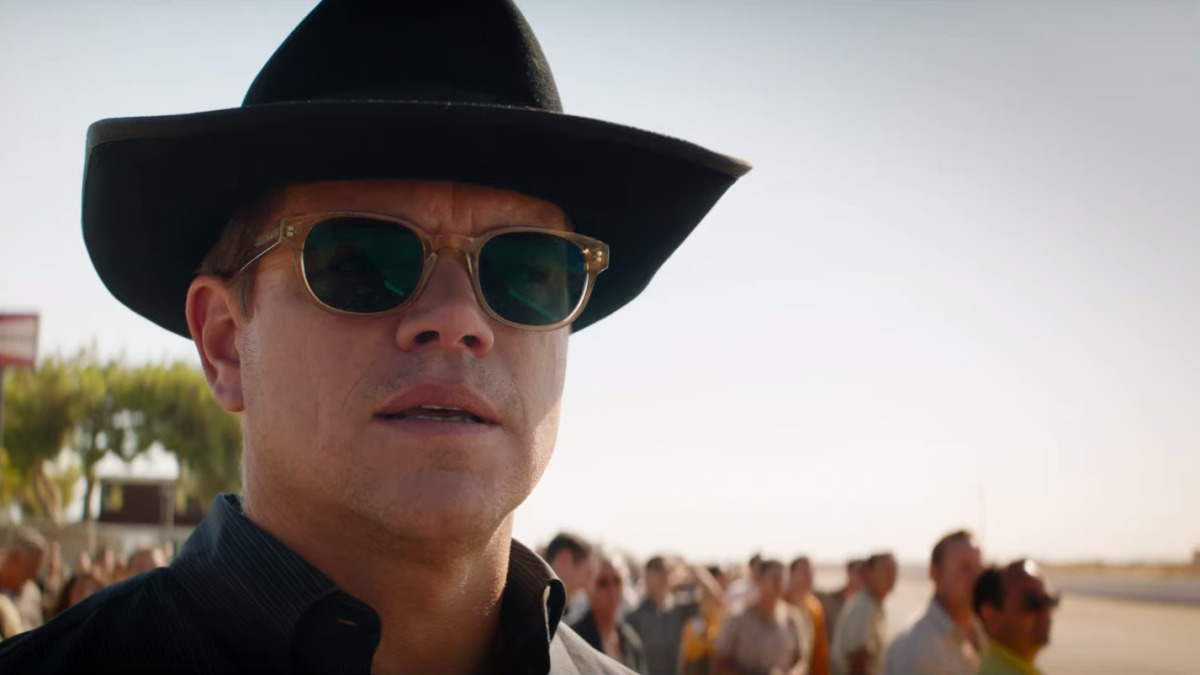 (Matt Damon in Ford v Ferrari)
Turning Down Millions: A Rare Hollywood Move
In an industry where salaries can reach astronomical levels, it seems almost unthinkable for actors to walk away from massive paychecks. Yet, history has several examples of performers who have done exactly that. These decisions often spark fascination and debate—why would someone turn down millions? The answers vary: creative integrity, scheduling conflicts, ethical concerns, or the belief that certain roles weren’t the right fit.
These moments have become legendary, illustrating that not every actor’s career decisions revolve around money alone. Some of the biggest stars have risked their financial security for the sake of their principles, artistic vision, or long-term goals.
Will Smith and The Matrix: A Famous “What If?”
One of the most famous examples is Will Smith turning down the role of Neo in The Matrix. The Wachowskis reportedly approached Smith to star in what became one of the most iconic sci-fi franchises of all time. Instead, Smith chose to make Wild Wild West, a film that didn’t achieve nearly the same success.
Smith later joked about the decision, stating, “I probably would have messed up The Matrix. Keanu was perfect for it.” While he missed out on a potentially huge payday and a defining role, Smith’s humility in acknowledging the choice has made it a memorable Hollywood anecdote.
Though Smith went on to have a phenomenal career, this example highlights that even A-list actors sometimes walk away from projects that later explode in value.
Matt Damon and Avatar: A Staggering Missed Opportunity
Perhaps one of the largest known paydays ever turned down involves Matt Damon and Avatar. Director James Cameron reportedly offered Damon the lead role of Jake Sully with a deal including 10% of the film’s profits. Considering that Avatar grossed over $2.8 billion worldwide, Damon missed out on what could have been hundreds of millions of dollars.
Reflecting on the decision, Damon said, “I was doing the Bourne movies and didn’t want to step away. It’s the dumbest financial decision I’ve ever made.” Despite that, Damon’s career didn’t suffer. He remained an A-list star with numerous critical and box-office hits. His story underscores how scheduling conflicts and loyalty to existing projects can outweigh financial considerations.
Sean Connery and The Lord of the Rings
Another legendary example is Sean Connery, who turned down the role of Gandalf in The Lord of the Rings trilogy. Reports suggest Connery was offered $6 million per film plus a significant percentage of the box-office gross—an offer that could have earned him well over $100 million.
Connery admitted, “I never understood the script. I read it. I read it again. I watched the movie. I still don’t understand it.” His candid honesty about why he passed makes this one of the most talked-about examples of an actor walking away from a fortune.
While Ian McKellen ultimately made the role iconic, Connery’s decision illustrates how creative understanding often trumps financial incentives for some actors.
Hugh Jackman and James Bond
Few know that Hugh Jackman was reportedly approached to play James Bond after Pierce Brosnan stepped down. Jackman turned it down due to his commitment to Wolverine in the X-Men films.
Jackman explained, “I was worried about being typecast as an action guy. I didn’t want to do the same character in different clothes.” While the financial details are less public, the James Bond role typically comes with massive salaries and box-office bonuses. Daniel Craig went on to make tens of millions for his Bond films, suggesting Jackman turned down an enormous payday to prioritize variety in his career.
Eddie Murphy and Who Framed Roger Rabbit?
Another fascinating case is Eddie Murphy, who reportedly turned down the role of Eddie Valiant in Who Framed Roger Rabbit? The film became a classic and a box-office hit. Murphy later admitted he regretted the decision, saying, “I thought, ‘Cartoons and people? That’ll never work.’ I was wrong.”
While exact salary figures aren’t public, leading roles in such big-budget films typically come with large upfront paychecks and backend deals. Murphy’s candid acknowledgment adds humor and humanity to his story of walking away from what could have been a huge payday.
Creative Integrity Over Cash: Actors Who Said No
Not all actors turn down big money because of scheduling conflicts or misunderstanding scripts. Some refuse lucrative roles for ethical or creative reasons.
Dave Chappelle, for example, famously walked away from a $50 million deal with Comedy Central for Chappelle’s Show. He explained, “It wasn’t about the money. It was about the environment of the show.” Chappelle’s decision sparked widespread discussion about mental health, artistic integrity, and the pressures of fame.
Similarly, John Travolta reportedly passed on Chicago and other major roles due to personal or creative reasons. While money can be a motivating factor, some actors value control over their work and personal well-being more than any paycheck.
Why Actors Walk Away from Fortunes
Why would an actor turn down tens or even hundreds of millions of dollars? Some of the common reasons include:
Artistic Vision: The actor doesn’t connect with the script or character.
Scheduling Conflicts: Existing contracts prevent taking on new roles.
Fear of Typecasting: Some actors avoid being pigeonholed into similar roles.
Lifestyle and Mental Health: Money isn’t worth sacrificing personal happiness or mental well-being.
Misjudging a Project’s Potential: As in the case of Connery and Murphy, actors sometimes simply don’t foresee a film’s future success.
These examples show that turning down money isn’t always a mistake. Some actors prioritize their craft, health, or happiness over wealth.
When Turning Down Big Money Pays Off
Interestingly, walking away from a big payday doesn’t always harm an actor’s career. Many of the actors mentioned went on to enjoy long-term success despite missing out on one huge role.
Will Smith became one of the highest-grossing stars of his era even without The Matrix. Matt Damon continued to headline blockbusters. Dave Chappelle eventually returned to comedy on his own terms, making new lucrative deals with streaming platforms.
Sometimes, saying “no” can even enhance an actor’s reputation. It demonstrates confidence and the ability to prioritize what truly matters to them.
Conclusion: The Price of Principles
So, what actor turned down the most money? It’s hard to assign a single definitive title. Matt Damon’s missed Avatar deal is one of the largest known financial passes in history, but Connery, Chappelle, and others have also walked away from staggering sums.
These stories remind us that success in Hollywood isn’t solely about chasing the biggest paycheck. For some actors, creative satisfaction, personal well-being, and artistic integrity are worth more than any amount of money.
In the end, these decisions have become legendary tales of “what might have been,” inspiring both fans and fellow performers to reflect on what truly defines success. Walking away from millions is rare, but it shows that sometimes, the richest choice is the one that money can’t measure.

Acting Magazine Newsletters
Never miss out on the best from Acting Magazine.