


What Do Movie Directors Yell on Set?
The Cues and Commands Behind Every Great Film Production
(By Tonya Tannenbaum)
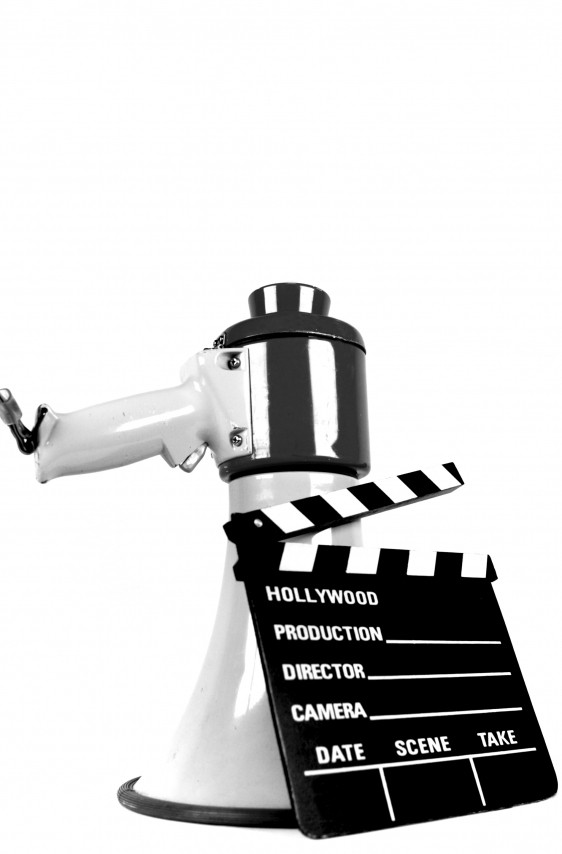
The Basics: Setting the Scene
In the high-energy, fast-paced world of film production, communication is key. On any given film set, a director is responsible for orchestrating the entire production, coordinating with actors, crew members, and various departments to ensure that everything runs smoothly. One of the most essential aspects of a director’s job is giving clear, concise commands that keep the set moving forward. Whether it’s directing the actors, telling the crew what to do, or managing the pace of the production, directors rely on a few specific phrases to keep things organized.
In this article, we’ll take a deep dive into the most common phrases that movie directors yell on set and explore how they help ensure that the production runs as smoothly as possible. From the classic “Action!” to the less-commonly heard “Turn over,” each of these calls is crucial to keeping a film set running like a well-oiled machine.
“Action!” – The Most Famous Director’s Command
The word “Action!” is likely the most well-known phrase yelled by directors on set. It is, essentially, the signal for actors to begin performing, marking the start of a scene. The command “Action!” triggers a series of movements from everyone on set, including the actors, camera operators, sound engineers, and anyone else involved in the scene. When the director calls “Action!”, the actors perform the scene exactly as it’s been rehearsed, with cameras rolling and the crew capturing every moment.
A great example of the significance of “Action!” comes from legendary director Steven Spielberg, who has been known for his mastery of handling actors during emotional scenes. On the set of Schindler’s List, Spielberg would often wait for the perfect moment before shouting “Action!” to ensure that the actors were truly in the emotional headspace required for the scene.
“Cut!” – The End of the Take
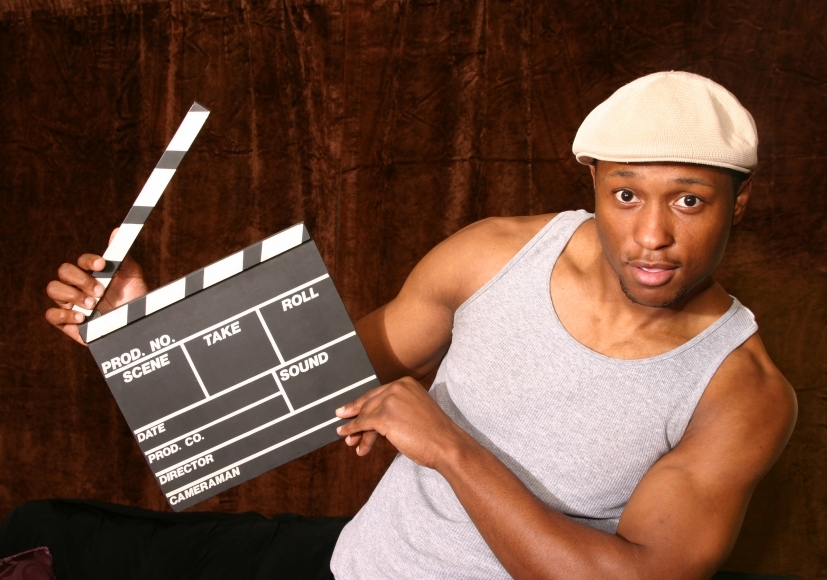
After “Action!” comes “Cut!”—the director’s signal that a take is over. “Cut!” marks the end of a scene or a shot, and it’s used to let everyone know that they can stop what they’re doing. The moment a director calls “Cut!”, everyone on set, from the actors to the camera operators, knows that the shot is complete. It’s also a cue for crew members to assess the footage that’s been captured and make any necessary adjustments for the next take.
A prime example of this comes from Quentin Tarantino, whose films are known for their elaborate, long takes. On the set of Pulp Fiction, Tarantino would sometimes yell “Cut!” after long scenes, not only for technical reasons but also to give his actors a moment to reset emotionally. “Cut!” marks the boundary between the world of the scene and the real world on set.
“Speed!” – The Call for Sound
While the phrase “Action!” is mostly associated with the actors, “Speed!” is a phrase that’s more relevant to the technical side of production. When a director yells “Speed!”, they are signaling that the sound department is rolling. In older film productions, this would signify that the sound equipment was properly synced with the film camera, ready to record audio at the correct speed. Today, though, the phrase is still used to confirm that sound is being recorded and that everyone is ready to move forward with the scene.
The command “Speed!” is a key part of film production in major studios. For example, Martin Scorsese often uses this phrase on the sets of his films, including The Irishman. By calling out “Speed!” Scorsese helps ensure that the complex synchronization of sound and visuals is flawless, particularly on films that require lengthy takes and high technical precision.
“Roll Camera!” – Cue for the Camera Crew
Before a scene begins, the director calls “Roll camera!” to notify the camera crew that filming is about to start. This phrase is crucial because it informs the camera operator to begin rolling the film or digital footage. It often follows the sound department’s cue of “Speed!”, as both picture and sound need to start at the same time.
On sets like those of James Cameron’s films, including Avatar and Titanic, the timing of “Roll camera!” is critical. The scenes on Cameron’s sets often involve complex visual effects, motion capture, and multiple elements working together. Calling “Roll camera!” ensures that every visual element is captured precisely as planned.
“Turn Over!” – Ready to Begin Filming
“Turn over” is another common command on set, usually heard right before a director calls “Action!”. When a director yells “Turn over!”, it’s a cue for the crew to ensure that the camera is recording and that all the necessary equipment is ready to roll. The phrase is often used by directors like Ridley Scott to confirm that the camera is properly rolling before beginning a scene.
While “Turn over” is not as famous as “Action!” or “Cut!”, it plays a crucial role in ensuring that everything is in place for filming. Without this call, the actors and the crew might mistakenly begin the scene without the proper setup, which could result in lost footage or miscommunication.
“Take Two!” – The Need for a Re-Do
Sometimes, things don’t go as planned on set, and that’s where the director’s call of “Take Two!” comes in. This phrase indicates that the director wants to redo a scene or shot. After calling “Cut!”, a director may announce “Take Two!” if the previous shot was unsatisfactory for any number of reasons—whether it was due to performance issues, technical difficulties, or a mistake by a crew member.
Tim Burton is known for requiring multiple takes to perfect his scenes. Whether it’s a whimsical shot in Beetlejuice or a darkly atmospheric scene in Edward Scissorhands, Burton often asks for multiple takes to ensure that the actors and crew capture the precise tone he envisions. “Take Two!” is just part of the process of shaping each moment.
“Quiet on Set!” – Establishing Silence
A director’s call for silence is one of the more frequently heard commands behind the scenes of any movie set. “Quiet on set!” is shouted by the director or assistant director to let the crew and actors know that recording is about to begin. This is especially important in films that rely heavily on sound quality, such as musicals or dialogue-heavy dramas.
Directors like Christopher Nolan, whose films often feature complex soundscapes, require complete silence from the crew during key moments of filming. On sets like those of Dunkirk, with its intense sound design and live-action scenes, “Quiet on set!” ensures that the actors and crew remain undistracted while the camera and audio are rolling.
“Back to One!” – Resetting for Another Take
“Back to One!” is a command given by the director to tell the actors to return to their starting positions for another take. This phrase is particularly important for scenes that involve choreography, stunts, or any action where the actors need to reset to their original positions.
A prime example of this comes from J.J. Abrams, who used “Back to One!” extensively on the set of Star Wars: The Force Awakens. The film involved complex action sequences that required actors to repeat specific movements and dialogue multiple times. “Back to One!” allowed the crew to reset everything for the next round of filming.
Conclusion: The Power of Command
The commands a director gives on set are more than just words—they are the backbone of the filmmaking process. These phrases ensure that the actors, crew, and all departments are in sync, helping to bring the director’s vision to life on screen. Whether it’s the simple but powerful “Action!” or the technical precision of “Speed!”, each phrase plays an essential role in keeping the set moving forward.
From big-budget blockbusters to indie films, the language of a director is universal, designed to cut through the noise and chaos of production to maintain order. For the next time you watch a behind-the-scenes video or sit in a theater, take a moment to appreciate the power of these director’s commands—and the teamwork that makes every scene possible.

Acting Magazine Newsletters
Never miss out on the best from Acting Magazine.