


Why Don’t Movies Have Opening Credits Anymore?
Exploring the evolution of the cinematic opening and why the tradition of long opening credits has nearly vanished
(By Jim Webb)
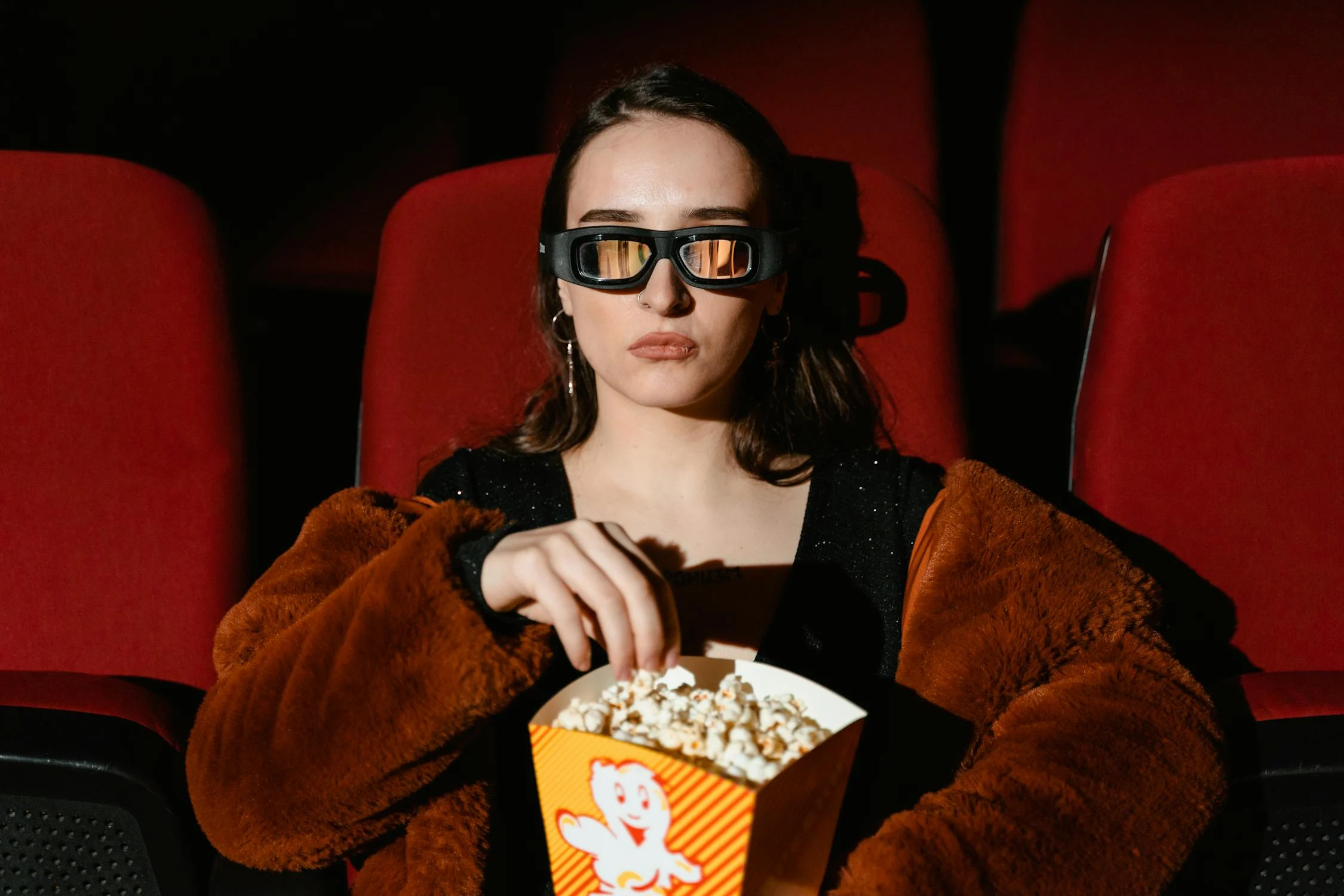 (Photo: Tima Miroshnickenko | Pexels)
The Golden Age of Opening Credits
Once upon a time, opening credits were not just expected—they were celebrated. Throughout Hollywood’s Golden Age (the 1930s through the 1960s), a film would often begin with a glamorous orchestral overture accompanied by a list of every major cast and crew member. Think of classics like Gone with the Wind (1939) or The Sound of Music (1965), where the titles set the tone and rhythm for the epic tales to follow. These films embraced a ceremonial feel, treating the opening credits like a curtain rising on a grand performance.
Opening credits were also a marketing tool. Big stars had top billing, and directors with renowned reputations received prominent placement. For example, Psycho (1960), with its bold, stylized opening by Saul Bass, became iconic in its own right. In many cases, the credit sequence was a mini-masterpiece—art within art.
The Rise of the Cold Open
Starting in the 1970s and especially into the ’80s and ’90s, filmmakers began experimenting with the “cold open”—a storytelling technique where the movie starts right in the middle of the action, without any preamble. The cold open was first widely adopted in television but quickly gained traction in film.
A pivotal moment was Star Wars: A New Hope (1977). Although it includes a title crawl, it broke tradition by skipping the usual actor and crew credits up front, plunging the audience immediately into the galactic conflict. The experience was immersive and revolutionary, and audiences loved it.
From that point on, directors like Steven Spielberg, James Cameron, and Christopher Nolan further popularized opening sequences that jumped straight into the action or narrative. In The Dark Knight (2008), the audience is thrown into a tense bank heist with no prior text or credits—just story.
Shorter Attention Spans and Viewer Habits
In the age of streaming and fast content consumption, audience patience has significantly shortened. Modern viewers, especially younger ones, have grown up on platforms like YouTube, TikTok, and Netflix, where instant gratification is the norm.
Opening credits, which require waiting a few minutes before the story really begins, no longer align with contemporary viewing habits. Many viewers will skip through slow intros, especially if they’re not invested in the film yet. As a result, filmmakers have adjusted their approach to get to the “good stuff” quickly.
Take John Wick (2014), for example. The movie begins with a flash-forward of a battered John crashing his car—an emotionally charged scene that immediately grabs attention. It’s only later that the full story and backstory unfold.
The Legal Loosening of Credit Requirements
Another major reason opening credits have faded is due to changes in contractual and legal obligations. In earlier decades, unions and guilds (such as the Writers Guild of America and the Directors Guild of America) required certain credits to appear at the beginning of a film.
In the 1980s, however, these rules began to shift, allowing more flexibility. The result? Filmmakers were no longer obligated to display detailed credits at the front. They could now push them to the end of the film without facing penalties.
A notable example of this new approach is Batman Begins (2005). The film begins with only the title appearing on screen—no names, no production logos. All of that is saved for the end, giving the audience a more immersive opening.
Artistic Choices and Tonal Control
Directors and editors are also choosing to eliminate opening credits for artistic and narrative reasons. A clean, uninterrupted entry into a story allows for greater tonal control. This is especially true for thrillers, horror, and drama, where atmosphere is key.
Consider There Will Be Blood (2007). The film begins in silence with images of a barren desert landscape and a man digging for oil—no music, no credits, no names. It’s an intense, disorienting start that perfectly reflects the movie’s stark themes. The absence of credits contributes to the tension and atmosphere.
Similarly, Gravity (2013) opens with the vastness of space. The only text is a brief onscreen quote about space, followed by the title. The film uses silence and visuals to immediately convey isolation and suspense, and credits would only dilute that impact.
The Role of Streaming Services and Algorithms
Streaming platforms have altered the movie-watching experience. Features like “Skip Intro” buttons, autoplay, and algorithmic content recommendations have made lengthy credits even more obsolete. When a film or episode ends, services like Netflix immediately queue the next item.
Because of this, credits are no longer guaranteed to be seen, much less appreciated. Filmmakers know that to make an impression, they need to start strong. This is why many original films on platforms like Amazon Prime or Apple TV+ open with nothing but a fade-in shot or logo.
For example, Roma (2018), released on Netflix, opens with a slow shot of water on tile—a visual metaphor—without any onscreen text until the title. It’s a deliberate, artful choice, but one that conforms to modern viewing habits.
The Counterexamples: When Opening Credits Still Shine
That said, not all films have abandoned the opening credit tradition. Some directors still embrace it, often as a homage or stylistic signature. Quentin Tarantino is famous for this. His movie Once Upon a Time in Hollywood (2019) uses classic fonts, title cards, and music to pay tribute to the films of the 1960s.
Similarly, Wes Anderson’s The Grand Budapest Hotel (2014) begins with carefully curated credit sequences that match the symmetrical, storybook-like aesthetic of the film. In Anderson’s case, the opening credits are part of the visual language.
Pixar also keeps the tradition alive in a modified form. While their films often start with a short prelude, they include charming credit sequences either in the middle or end, blending visual storytelling with name recognition.
Will Opening Credits Make a Comeback?
The current trend shows no signs of reversing, but cinema is cyclical. As styles shift and nostalgia becomes a driving force, some filmmakers and audiences may long for the pomp and artistry of a classic opening.
There’s also a renewed interest in title design as an art form. Designers like Kyle Cooper (Se7en) and Danny Yount (Iron Man) have elevated the title sequence into something memorable—even viral. If audiences respond positively, we may see a renaissance in creative opening credits.
Moreover, with platforms like Criterion Channel and Mubi highlighting classic cinema, newer filmmakers may be inspired to reintroduce thoughtful credit sequences that enrich the storytelling.
Conclusion: The Story Comes First
Ultimately, the decline of opening credits is about prioritizing the story. In today’s fast-paced, hyper-stimulated world, capturing attention early is vital. That doesn’t mean opening credits are gone forever—but they’re no longer the default.
Movies now favor immersion over information. The credits haven’t disappeared—they’ve just been relocated to the end, where they can roll over closing music or bonus scenes. And while some filmmakers will continue to buck the trend, the modern norm is clear: start fast, dive deep, and let the credits wait their turn.

Acting Magazine Newsletters
Never miss out on the best from Acting Magazine.