


What is the Oldest Movie That You Can Still Watch?
Exploring the earliest films still available for modern audiences
(By Jim Webb)
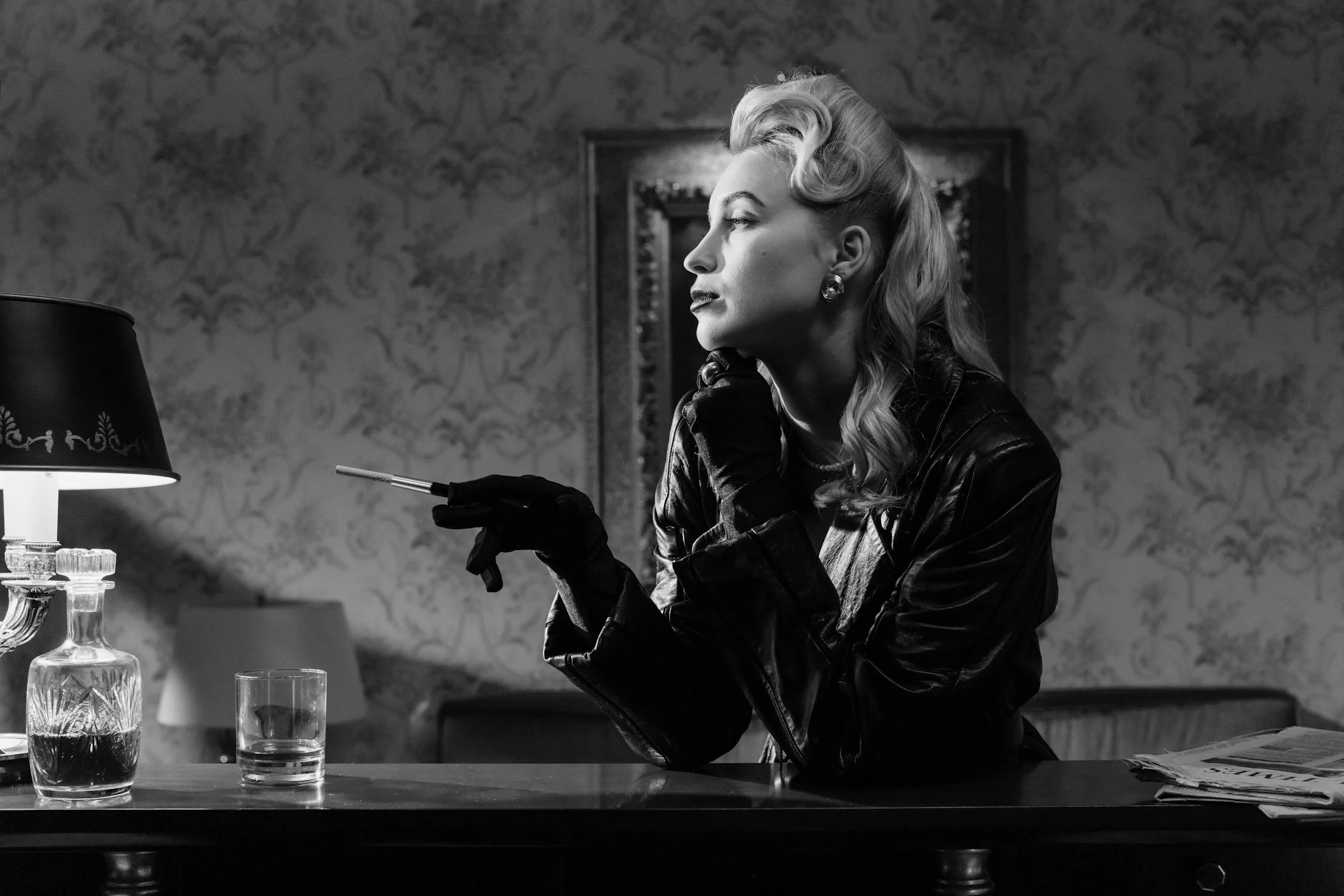 (Photo: Cottonbro Studio | Pexels)
The Beginnings of Cinema: A Glimpse into History
Cinema, as we know it today, has evolved dramatically since its inception. From silent, black-and-white short films to the vibrant, action-packed blockbusters of today, the history of cinema is rich and expansive. But what is the oldest movie you can still watch in its original form, available to modern audiences? This question invites us to look beyond the glamorous modern era and dive into the early days of film.
The history of motion pictures dates back to the late 19th century, when inventors like Thomas Edison and Lumière Brothers worked on creating moving images. The first films were short, experimental, and often viewed as novelties. But some of these early films have survived the test of time and are still accessible today.
Let’s explore some of the oldest surviving films available to watch, and the technological and cultural breakthroughs that made them possible.
The Lumière Brothers and the Birth of Cinema
Among the earliest films that you can still watch is the Lumière Brothers’ 1895 short, Workers Leaving the Lumière Factory (La Sortie de l’Usine Lumière à Lyon). This film is often credited as one of the first films ever made. Shot in Lyon, France, the film lasts only 50 seconds and captures workers exiting the Lumière factory. While simple by today’s standards, it was revolutionary in its time, offering a glimpse into the world of moving images.
Auguste and Louis Lumière were pioneers in the development of motion picture technology, and their invention of the Cinématographe made it possible to both film and project moving pictures. While their film may seem mundane to a modern audience, it was a key moment in the birth of cinema.
As film historian David Robinson notes, “The Lumière brothers weren’t just creating a new way to record images—they were creating a new form of entertainment and cultural expression.”
The First Narrative Film: The Great Train Robbery (1903)
Moving from simple recordings to more complex storytelling, Edwin S. Porter’s The Great Train Robbery (1903) is one of the earliest narrative films, and one that you can still watch in its entirety. Running at 12 minutes, the film tells a western story about a train robbery and is widely considered one of the first examples of a film with a coherent narrative structure.
The film is notable not only for its storytelling but for its innovative use of techniques such as cross-cutting, location shooting, and action sequences. These techniques laid the foundation for modern filmmaking and proved that film could do more than simply record reality—it could create immersive experiences and dramatic tension.
Martin Scorsese once said, “The Great Train Robbery was a groundbreaking film in so many ways, from the storytelling to the editing. It’s one of the cornerstones of cinema history.”
Surviving Silent Films: The Birth of a Nation (1915)
Moving into the silent era, D.W. Griffith’s The Birth of a Nation (1915) is another example of a film that is still available to modern viewers. While controversial for its racist depictions of African Americans and its portrayal of the Ku Klux Klan as heroes, the film remains a landmark in cinematic history for its groundbreaking techniques in storytelling, special effects, and the use of narrative structure in feature-length films.
At over two hours long, The Birth of a Nation pushed the boundaries of what was possible in terms of narrative filmmaking. It was also one of the first films to have a full orchestral score, heightening the emotional impact of the story. While it’s not a film one would necessarily recommend for casual viewing due to its problematic content, it is important to recognize its influence on the evolution of cinema.
Richard Dyer, a film scholar, stated, “The Birth of a Nation was a technical marvel for its time, and although it’s deeply flawed in its message, it remains a film that helped to shape modern cinema.”
The First Feature-Length Film: The Story of the Kelly Gang (1906)
For those interested in early examples of feature-length cinema, Australia’s The Story of the Kelly Gang (1906) holds the title of the world’s first feature film. With a runtime of over 70 minutes, this film told the story of the infamous Australian outlaw Ned Kelly.
Although much of the original footage is now lost, surviving fragments of the film are still accessible. The film is important not only because of its length but also because of its historical subject matter. It introduced the concept of a feature film as a format, which would later become the standard for cinema worldwide.
John Hill, a scholar of early cinema, commented, “The Story of the Kelly Gang was a turning point in cinema. It wasn’t just a short film—it was a full, immersive story that was a precursor to the feature films we know today.”
The Impact of Technicolor: The Toll of the Sea (1922)
Fast forward to the early 20th century, and we encounter the rise of color filmmaking. One of the earliest examples of a color film that is still available is Chester M. Franklin’s The Toll of the Sea (1922), which used two-strip Technicolor. The film is a love story set against the backdrop of a Chinese coastal village, and it is notable for its vivid color sequences, which were revolutionary at the time.
While the film’s plot may seem somewhat dated, its visual techniques stand out. It was one of the first films to show the potential of color in cinema, leading to future breakthroughs in color filmmaking.
According to **film historian Robert Gitt, “The use of color in The Toll of the Sea was groundbreaking. Though it may not have had the same lasting impact as later Technicolor films, it remains an important piece in the evolution of color cinema.”
The Preservation of Early Films: How Have These Movies Survived?
You may be wondering, how have these early films managed to survive? The answer lies in film preservation efforts, which began in earnest in the mid-20th century. Organizations like the Library of Congress, the British Film Institute, and the Academy Film Archive have been instrumental in saving and restoring these films, often converting them into digital formats to ensure their long-term accessibility.
However, many early films were lost due to the fragility of film stock, storage issues, or because the films were not considered valuable at the time. It’s estimated that around 75% of silent films have been lost forever, making the surviving examples all the more significant.
Martin Scorsese, in his advocacy for film preservation, stated, “Films are part of our cultural heritage. We can’t afford to let them fade away.”
Conclusion: A Link to the Past
While cinema has evolved far beyond the technical limitations of the 19th and early 20th centuries, the oldest films available to watch today offer a fascinating glimpse into the origins of the medium. From the Lumière Brothers’ early experiments with moving pictures to the groundbreaking narrative films of the early 1900s, these films provide invaluable insights into the creative and technical innovations that paved the way for modern filmmaking.
As film preservation continues to advance, these early works remain an important part of our cultural heritage. Whether it’s a brief moment from Workers Leaving the Lumière Factory or the full feature of The Story of the Kelly Gang, the oldest movies we can still watch are not just historical artifacts—they are windows into the beginnings of one of the most influential art forms in the world.

Acting Magazine Newsletters
Never miss out on the best from Acting Magazine.